


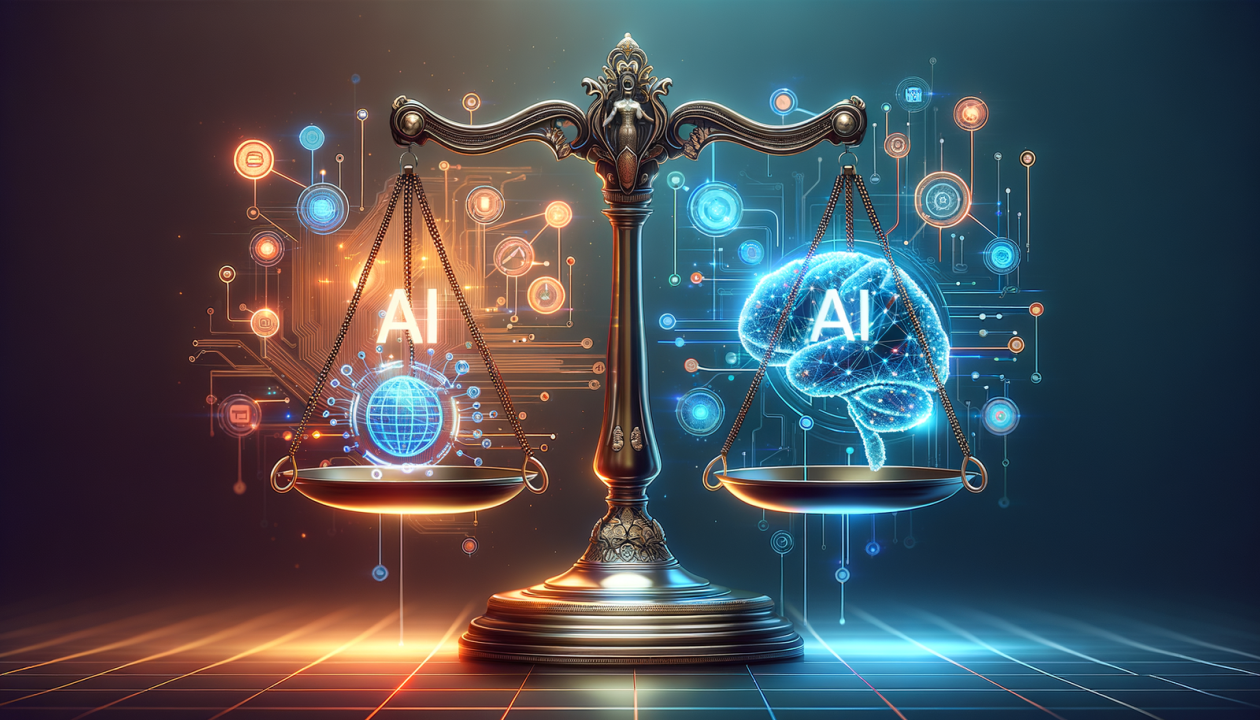
Artificial Intelligence (AI) is redefining industries across the board, and the legal sector is no exception. Traditionally known for its reliance on precedent, meticulous analysis, and human judgment, the legal field is now undergoing a paradigm shift thanks to the rapid advancements in AI technologies. From automating routine tasks to providing predictive insights and revolutionizing legal research, AI is transforming how law is practiced and prompting a deep examination of the ethical implications it brings.
The Emergence of AI in Legal Practice
AI’s entry into the legal industry is not just about efficiency; it’s about redefining what is possible. Legal AI systems can now review contracts, predict case outcomes, assist with legal research, and even draft legal documents. These systems are powered by machine learning algorithms, natural language processing (NLP), and vast datasets that allow them to understand and analyze complex legal language.
One prominent example is legal research platforms like ROSS Intelligence and LexisNexis, which use AI to quickly sift through thousands of legal documents to identify relevant case law and statutes. This not only speeds up the research process but also increases accuracy by reducing human oversight errors.
Another area where AI is making an impact is contract analysis and management.
Tools like Kira Systems and LawGeex utilize AI to extract key clauses, assess risks, and suggest edits, helping lawyers manage voluminous contracts with greater efficiency and consistency.
Automation of Routine Legal Tasks
A significant portion of a lawyer’s workload involves routine, repetitive tasks—think document review during discovery, due diligence, and compliance monitoring. AI is uniquely suited to take on these tasks, freeing up lawyers to focus on more strategic aspects of their practice.
For example, e-discovery tools can process and categorize vast quantities of emails, documents, and other records relevant to litigation. AI systems can sort and identify privileged or confidential information far more quickly and accurately than human teams could achieve manually.
Similarly, chatbots are increasingly used in legal firms to handle initial client inquiries, schedule appointments, and provide basic legal advice—especially in areas like immigration, landlord-tenant disputes, or small claims. This democratizes access to legal information and makes it more accessible to the public.
Predictive Analytics and Decision-Making
One of the most exciting developments is the use of AI for predictive analytics. By analyzing past case law, judicial decisions, and litigation trends, AI can forecast the likely outcome of a case, assisting lawyers in making more informed decisions.
One of the most exciting developments is the use of AI for predictive analytics. By analyzing past case law, judicial decisions, and litigation trends, AI can forecast the likely outcome of a case, assisting lawyers in making more informed decisions.
For instance, platforms like Lex Machina analyze court decisions to provide insights into how certain judges have ruled in similar cases, helping lawyers tailor their strategies accordingly. This can influence whether to settle a case or proceed to trial and what legal arguments are more likely to succeed.
Moreover, risk assessment models powered by AI are now used in criminal justice systems, such as the COMPAS algorithm in the U.S., to evaluate the likelihood of a defendant reoffending.
While these tools are designed to support decision-making, they also raise critical concerns about fairness and bias.
Ethical Challenges and Concerns
The integration of AI into legal practice is not without its ethical complexities. The use of algorithms in decision-making introduces potential biases, transparency issues, and accountability dilemmas.
1. Bias in AI Systems
AI systems learn from historical data, which can embed existing biases within the legal system. If past data reflects racial, gender, or socioeconomic disparities, AI may perpetuate or even exacerbate these issues. For example, studies have shown that risk assessment tools can produce biased results against minority defendants.
Ensuring that AI tools are trained on fair and representative datasets is essential. Additionally, there must be mechanisms to continuously audit and improve these systems to minimize bias.
2. Lack of Transparency (The “Black Box” Problem)
Many AI models, especially those using deep learning, operate as “black boxes,” meaning their decision-making processes are not easily understood—even by their developers. This lack of transparency is problematic in a field like law, where accountability, explainability, and due process are paramount.
Clients, judges, and even attorneys must be able to trust the logic behind AI-generated recommendations. There is a growing demand for explainable AI systems that can clearly articulate how decisions were reached.
3. Accountability and Liability
When an AI system makes a mistake—say, providing flawed legal advice or misclassifying evidence—who is responsible? Is it the developer, the law firm, or the lawyer relying on the tool? The lack of clear legal frameworks governing AI use in law complicates this issue.
Lawyers have an ethical obligation to provide competent representation. As AI tools become more embedded in legal workflows, lawyers must ensure they understand these tools well enough to supervise their use effectively.
4. Confidentiality and Data Privacy
Legal work often involves sensitive and confidential client information. Introducing AI into the process means involving third-party vendors, cloud services, and machine learning models trained on large datasets. Maintaining client confidentiality and ensuring data security are significant concerns.
Law firms must rigorously vet their AI providers and implement stringent cybersecurity measures to protect client information. Regulatory compliance with data protection laws like GDPR and HIPAA must also be maintained.
The Future of the Legal Profession
The rise of AI does not spell the end of lawyers—it signals a transformation in their roles. Rather than replacing legal professionals, AI augments their capabilities, allowing them to work smarter and more efficiently.
Lawyers of the future will need to become technologically literate, understanding how AI tools function, what their limitations are, and how to integrate them into practice ethically. Law schools and continuing legal education programs must adapt by incorporating technology and ethics training into their curricula.
Additionally, new legal roles are emerging, such as legal technologists, AI auditors, and legal data analysts, reflecting the intersection of law and technology. These professionals will bridge the gap between traditional legal expertise and modern digital innovation.
Conclusion
The rise of AI in law marks a significant evolution in legal practice, offering unprecedented opportunities for efficiency, access to justice, and data-driven insights. However, this transformation also demands a renewed commitment to ethics, transparency, and accountability.
As AI continues to permeate legal systems worldwide, the challenge for the legal profession is to harness its potential while safeguarding the core values of justice, fairness, and human judgment. Navigating this delicate balance will define the next era of legal innovation and reshape the very foundation of how law is practiced and upheld.
