


In vitro fertilization (IVF) has transformed fertility care, offering hope to couples and individuals facing challenges in conceiving naturally. Over the years, IVF success rates have improved significantly due to advancements in laboratory technology, advanced treatment protocols, and growing clinical expertise.
But what truly defines a top-tier IVF centre? It’s not just advanced machines or modern facilities, it’s the combination of cutting-edge technology, skilled specialists, personalized care, and evidence-based practices. This article takes you inside what makes a leading IVF centre effective, safe, and patient-focused.
Understanding IVF: A Quick Overview
IVF is a fertility treatment in which eggs are retrieved from the ovaries and fertilized with sperm in a laboratory. The resulting embryo is then transferred into the uterus.
The basic steps include:
- Ovarian stimulation
- Egg retrieval
- Sperm collection and preparation
- Fertilization in the lab
- Embryo culture
- Embryo transfer
- Pregnancy testing
Each step requires precision, monitoring, and coordination between doctors, embryologists, and support staff.
Advanced Technology in a Leading IVF Centre
Modern fertility centres rely heavily on laboratory precision and advanced equipment. Technology directly influences embryo quality, implantation rates, and overall success.
1. Controlled Ovarian Stimulation Monitoring
Ultrasound imaging and hormone monitoring help fertility specialists adjust medication dosages to maximize egg production while minimizing risks such as ovarian hyperstimulation syndrome (OHSS).
Frequent monitoring ensures optimal timing for egg retrieval.
2. Advanced Embryology Labs
The embryology laboratory is the heart of an IVF centre. Key technologies include:
Time-Lapse Embryo Monitoring
Special incubators allow continuous monitoring of embryo development without disturbing the culture environment. This helps embryologists select embryos with higher implantation potential.
High-Precision Incubators
Modern incubators maintain stable temperature, humidity, and gas levels to mimic natural conditions as closely as possible.
Intracytoplasmic Sperm Injection (ICSI)
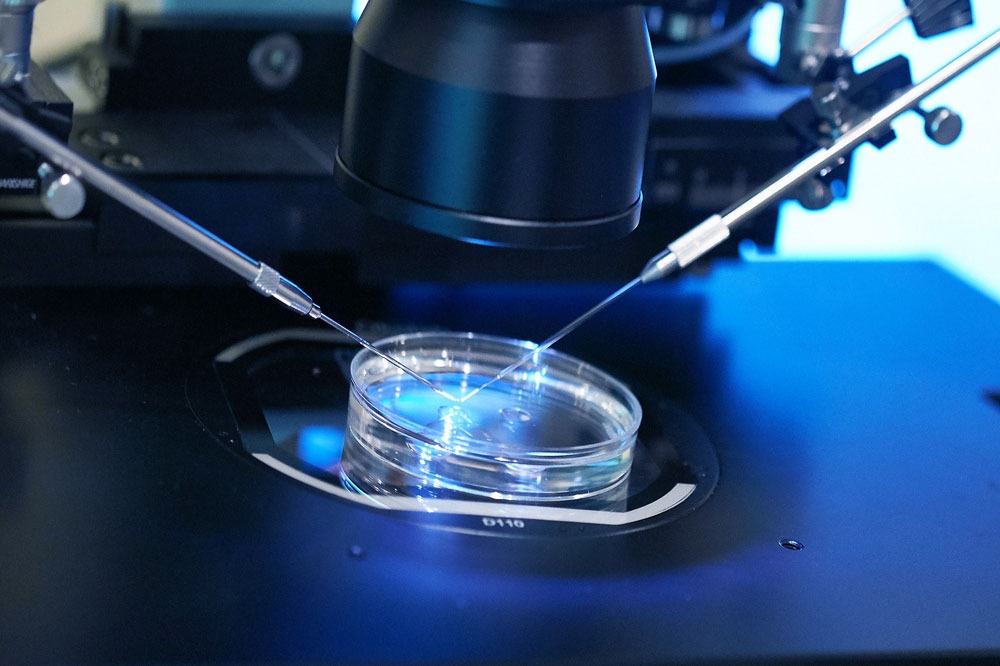
ICSI involves injecting a single sperm directly into an egg. This technique is particularly helpful in cases of male factor infertility.
3. Preimplantation Genetic Testing (PGT)
PGT allows screening embryos for certain genetic abnormalities before transfer. This can:
- Improve implantation rates
- Reduce miscarriage risk
- Lower the chance of specific inherited conditions
Genetic testing must be guided by trained specialists to ensure ethical and appropriate use.
4. Cryopreservation Technology
Modern freezing methods, such as vitrification, allow eggs, sperm, and embryos to be preserved effectively for future use.
Cryopreservation supports:
- Fertility preservation
- Delayed embryo transfer
- Reduced need for repeat stimulation cycles
The Role of Experienced Fertility Specialists
Technology alone does not ensure success. Expertise plays an important role in interpreting results and tailoring care.
1. Individualized Treatment Planning
No two patients are identical. Leading fertility specialists evaluate:
- Age
- Ovarian reserve
- Hormonal profile
- Medical history
- Previous fertility treatments
Treatment protocols are adjusted to maximize safety and effectiveness.
2. Risk Management
Experienced specialists carefully monitor for complications such as:
- Ovarian hyperstimulation syndrome
- Multiple pregnancy risks
- Hormonal imbalances
Safety is always a priority.
3. Emotional Support and Counseling
IVF can be emotionally challenging. Stress, anxiety, and uncertainty are common during fertility treatment. Leading centres often provide psychological counseling or structured emotional support.
Compassionate communication improves patient confidence and adherence to treatment.
Multidisciplinary Team Approach
A high-performing IVF centre operates through teamwork.
Reproductive Endocrinologists
Oversee hormonal stimulation and medical management.
Embryologists
Handle fertilization, embryo culture, and lab-based procedures.
Nurses and Coordinators
Provide medication instructions, appointment scheduling, and patient guidance.
Counselors
Offer emotional and psychological support.
This coordinated approach improves patient outcomes and reduces errors.
Quality Standards and Success Rates
Reputable IVF centres:
- Follow strict laboratory quality control protocols
- Maintain transparent success rate reporting
- Use standardized procedures
- Continuously review performance data
Success rates depend on multiple factors, including patient age and underlying conditions. Transparent reporting helps patients make informed decisions.
In cities such as Bangalore, individuals researching fertility options usually compare clinical expertise, lab standards, and patient outcomes before choosing the best IVF centre in Bangalore for personalized and technology-driven care.
Personalized Care in Modern IVF Centres
Leading IVF facilities prioritize individualized attention.
Tailored Medication Protocols
Customized hormone stimulation reduces risk and improves egg quality.
Single Embryo Transfer Policies
Transferring one high-quality embryo at a time reduces the risk of multiple pregnancies while maintaining success rates.
Lifestyle Guidance
Patients receive advice on nutrition, stress management, and overall health to optimize treatment outcomes.
Safety and Ethical Considerations
Ethical IVF practice includes:
- Informed consent
- Transparent communication about risks
- Avoiding unnecessary procedures
- Protecting patient privacy
Professional centres adhere to national and international reproductive medicine guidelines.
When to Consider IVF
IVF may be recommended in cases of:
- Blocked or damaged fallopian tubes
- Severe male factor infertility
- Endometriosis
- Ovulation disorders
- Unexplained infertility
- Failed less invasive treatments
Consultation with a fertility specialist determines whether IVF is appropriate.
FAQs
How long does an IVF cycle take?
A normal IVF cycle lasts about 4 to 6 weeks, including stimulation, retrieval, fertilization, and transfer.
Is IVF painful?
Mild discomfort may occur during injections and egg retrieval, but procedures are generally well-tolerated.
What factors affect IVF success rates?
Age, egg quality, sperm quality, uterine health, and laboratory standards all influence outcomes.
Are IVF babies healthy?
Most IVF pregnancies result in healthy babies. Risks are similar to natural conception, though multiple pregnancies carry higher risks.
How many IVF cycles are usually needed?
Some patients conceive in the first cycle, while others may require multiple attempts depending on individual factors.
Conclusion
A truly advanced IVF centre combines modern reproductive technology with clinical expertise, individualized care, and ethical practice. Success in fertility treatment depends not only on sophisticated equipment but also on experienced specialists who interpret data, adjust protocols, and provide compassionate support.
From high-precision laboratories and genetic testing to personalized stimulation plans and emotional counseling, every element contributes to safer, more effective outcomes. For individuals and couples considering IVF, understanding the role of both technology and expertise helps ensure informed, confident decisions in their fertility journey.
