


British food has a reputation for being hearty, comforting and, occasionally, a little misunderstood. But spend enough time eating your way around the country and that old image of beige plates and boiled vegetables starts to look rather outdated. Britain has a food culture built on regional traditions, family recipes, local produce and an increasingly adventurous restaurant scene.
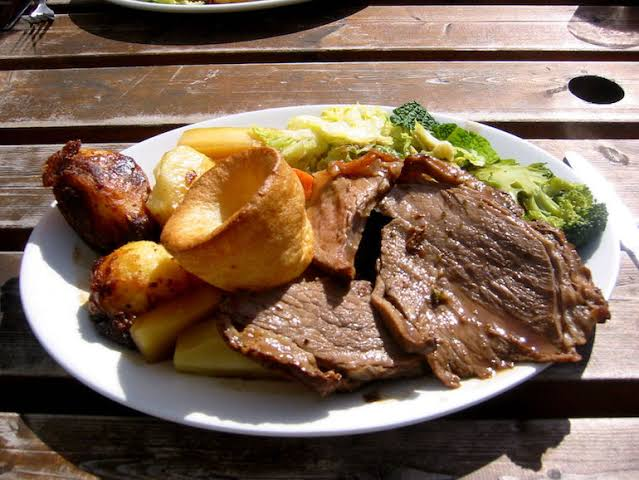
There’s still something wonderful about a plate of fish and chips eaten near the coast, particularly when the batter is crisp, the fish is fresh and the chips are properly fluffy. Then there’s the Sunday roast: generous, familiar and almost impossible to separate from the ritual of gathering around a table. Between those two classics sits a much bigger picture, taking in modern British cooking, historic pubs, independent restaurants, countryside dining rooms and chefs putting their own spin on familiar ingredients.
So, where should you begin?
From London restaurants with ambitious menus to characterful pubs beyond the capital, these are some of the places and destinations worth considering when you want to explore British food at its best.
1. Smithfield, London – Restaurant St. Barts
For a modern take on British dining, Smithfield is a fitting place to start. The area has long been associated with London’s food trade, and today it remains an interesting part of the capital for anyone who likes restaurants with a strong sense of place.
Restaurant St. Barts brings a contemporary approach to British cooking, with the food shaped around seasonal ingredients and a close relationship with producers. Rather than treating British cuisine as a museum piece, the restaurant presents it through a more modern lens. That makes it a particularly interesting choice for diners who want to understand where British food can go next while still appreciating its roots.
The setting adds another layer. Smithfield has centuries of history behind it, yet the restaurant sits comfortably within modern London. It’s the kind of place that works when you’re looking for a more considered meal rather than simply grabbing something quickly between sightseeing stops.
For anyone exploring the best restaurants in London, Restaurant St. Barts makes a strong opening choice because it shows that British cooking can be refined without losing its sense of identity.
2. Whitby, North Yorkshire – Magpie Café
If there’s one destination that immediately brings fish and chips to mind, it’s Whitby.
The Yorkshire coastal town has become almost synonymous with the dish, and few places capture that connection quite like the Magpie Café. Its long-standing reputation has made it a popular stop for visitors who arrive in Whitby with seafood firmly on their minds.
There’s a simple pleasure to eating fish and chips by the sea. You don’t need an elaborate tasting menu or a complicated explanation. You need good fish, crisp batter, properly cooked chips and somewhere that understands why the combination has endured for generations.
Whitby also gives diners the chance to put the meal into context. Walk around the harbour afterwards, climb towards the abbey or simply watch the boats come and go. Suddenly, fish and chips feels less like a takeaway and more like part of the day’s experience.
3. The Cotswolds – The Wild Rabbit
British food isn’t only about famous dishes. It’s also about the places where ingredients come from.
The Cotswolds are a natural setting for exploring that side of the story. Rolling countryside, farms, villages and independent producers have helped make the region popular with people looking for a slower kind of getaway. Restaurants here can make the most of that relationship with the surrounding landscape.
The Wild Rabbit in Kingham is one example of a restaurant where the focus extends beyond what’s placed on the plate. Its food-led approach fits naturally into a countryside destination, where seasonal ingredients and local sourcing can become part of the wider experience.
This is the sort of restaurant to consider when the meal is only one part of the day. Perhaps there’s a walk beforehand, a village to explore afterwards or a weekend away built around good food. British dining often works best when it connects with its surroundings.
4. Richmond, London – The Mitre
Traditional British pubs have always occupied an important place in the country’s food culture, and The Mitre in Richmond demonstrates why the format still works.
Set in a part of southwest London known for its green spaces and riverside atmosphere, The Mitre has the character you’d hope for from a historic pub while also functioning as a destination for food and drink. Its history stretches back to the 19th century, giving the venue a sense of permanence that’s increasingly valuable in a fast-changing city.
The pub’s food offering makes it particularly relevant for diners looking beyond a quick pint. British pub classics fit naturally into the setting, while the wider menu gives visitors plenty of reasons to stay for lunch or dinner.
It’s also the kind of place that suits different occasions. A relaxed meal after exploring Richmond can easily become an afternoon drink, while a Sunday visit can revolve around a proper roast.
That’s part of the appeal of the British pub. It doesn’t need to choose between restaurant, bar and social meeting place. At its best, it manages to be all three.
5. Bath, Somerset – The Pump Room
Few British cities provide a more atmospheric backdrop for a meal than Bath.
With its Georgian architecture, Roman history and elegant streets, Bath already feels like somewhere designed for a leisurely afternoon. The Pump Room adds to that experience with a dining setting closely tied to the city’s heritage.
Afternoon tea is one of Britain’s most recognisable food traditions, and Bath provides an appropriate setting for it. Sandwiches, cakes and tea might sound simple, but the occasion has always been about more than eating. It’s about slowing down, sitting properly and giving a meal some time.
That makes afternoon tea particularly appealing for visitors who want to experience British food culture without committing to a lengthy dinner. It’s also a reminder that British cuisine isn’t defined solely by large plates and Sunday roasts.
Sometimes, a pot of tea and a small selection of cakes tells just as much of a story.
6. London – Rules
Some restaurants become part of a city’s history.
Rules, in Covent Garden, is one of those places. Established in the 18th century, it has become closely associated with traditional British dining and the long history of restaurants in London.
Its longevity is remarkable. London’s food scene changes constantly, with new openings arriving every month, yet restaurants with genuine historical roots continue to attract diners.
The menu leans into classic British cooking, making it an interesting stop for anyone who wants dishes that feel connected to the country’s culinary past. Game, pies and other traditional preparations have a natural home here.
There’s also something enjoyable about eating somewhere with a story. You aren’t simply booking dinner. You’re stepping into a restaurant that has witnessed generations of London life.
7. York – Bettys
York is another British city where food and history naturally overlap.
Among its best-known food institutions is Bettys, the Yorkshire-founded tea-room brand that has become part of the region’s identity. A visit is particularly suited to anyone who enjoys the gentler side of British food culture.
The experience revolves around cakes, pastries, tea and traditional afternoon treats rather than an elaborate restaurant meal. Yet that doesn’t make it any less significant.
In fact, places like Bettys show why food tourism can be about much more than chasing the newest restaurant opening. Sometimes visitors want to discover something that’s been part of a region’s story for decades.
York itself makes an ideal backdrop. Spend the morning exploring the medieval streets, visit the Minster and then settle down for tea and cake. That’s a very British way to structure a day.
8. Wells, Somerset – Goodfellows
Wells may be one of England’s smaller cities, but its food scene gives visitors plenty of reason to linger.
Goodfellows, in the heart of Wells, offers a more contemporary restaurant experience while remaining connected to the character of the city around it. The restaurant has developed a reputation for fine dining, making it a useful option for diners who want something more polished while exploring Somerset.
What makes a restaurant like this particularly interesting is the contrast between destination and dining style. Wells has a strong historic identity, yet the restaurant experience doesn’t have to feel old-fashioned.
That balance is increasingly common across Britain’s food scene. Historic towns and cities are becoming places where traditional surroundings meet modern menus, giving visitors a chance to enjoy both at once.
For a special meal in Somerset, Goodfellows is the kind of restaurant that can turn a simple visit to Wells into a proper food occasion.
9. The Lake District – The Old Stamp House
British food is often at its most convincing when it reflects the landscape around it.
The Lake District provides an obvious example. Mountains, lakes, farms and changing seasons all influence the way people experience the region, and restaurants can draw on that environment in creative ways.
The Old Stamp House in Ambleside has built its identity around local ingredients and a strong connection to Cumbria. Its approach demonstrates how modern British cooking can take regional produce seriously without becoming overly complicated.
This is a destination for diners who enjoy food with a sense of place. The journey matters, too. A day spent walking around the Lakes followed by an ambitious dinner makes for a memorable combination.
It’s hard to separate British food from the countryside that has supplied its ingredients for centuries.
10. London – St. John
No discussion of modern British restaurants would feel complete without mentioning St. John.
The London restaurant became influential for its stripped-back approach to cooking, with traditional British ingredients and dishes treated with confidence rather than unnecessary decoration.
There’s a lesson in that. British food doesn’t always need reinventing. Sometimes it simply needs good ingredients, careful cooking and a willingness to let the food speak for itself.
That philosophy has influenced the wider London restaurant scene, where chefs continue to reinterpret everything from offal and pies to bread and seasonal vegetables.
For diners interested in how traditional British cooking has influenced contemporary restaurants, St. John is an important part of the story.
Why British food remains worth exploring
The best thing about British food is that there’s no single way to experience it.
You can order fish and chips in a seaside town, sit down to afternoon tea in a historic city, enjoy a Sunday roast in a village pub or book a sophisticated tasting menu in London. Each experience tells a slightly different story.
That’s also why British restaurants continue to evolve. Chefs aren’t necessarily trying to abandon tradition. Many are doing the opposite. They’re looking at old recipes, local ingredients and familiar occasions and asking what they can do with them now.
A Sunday roast might be served in a centuries-old pub. Fish and chips might be enjoyed after a walk along a windswept harbour. A modern restaurant might take inspiration from ingredients that have been part of British cooking for generations.
And that’s the real pleasure of exploring the country’s food scene. There’s always another town, another pub, another restaurant or another dish waiting to be discovered.
Whether you’re chasing the perfect fish and chips, planning a Sunday roast or simply looking for somewhere memorable to eat, Britain’s restaurant scene offers far more variety than the old clichés suggest. Start with the classics, certainly. But don’t stop there.
