


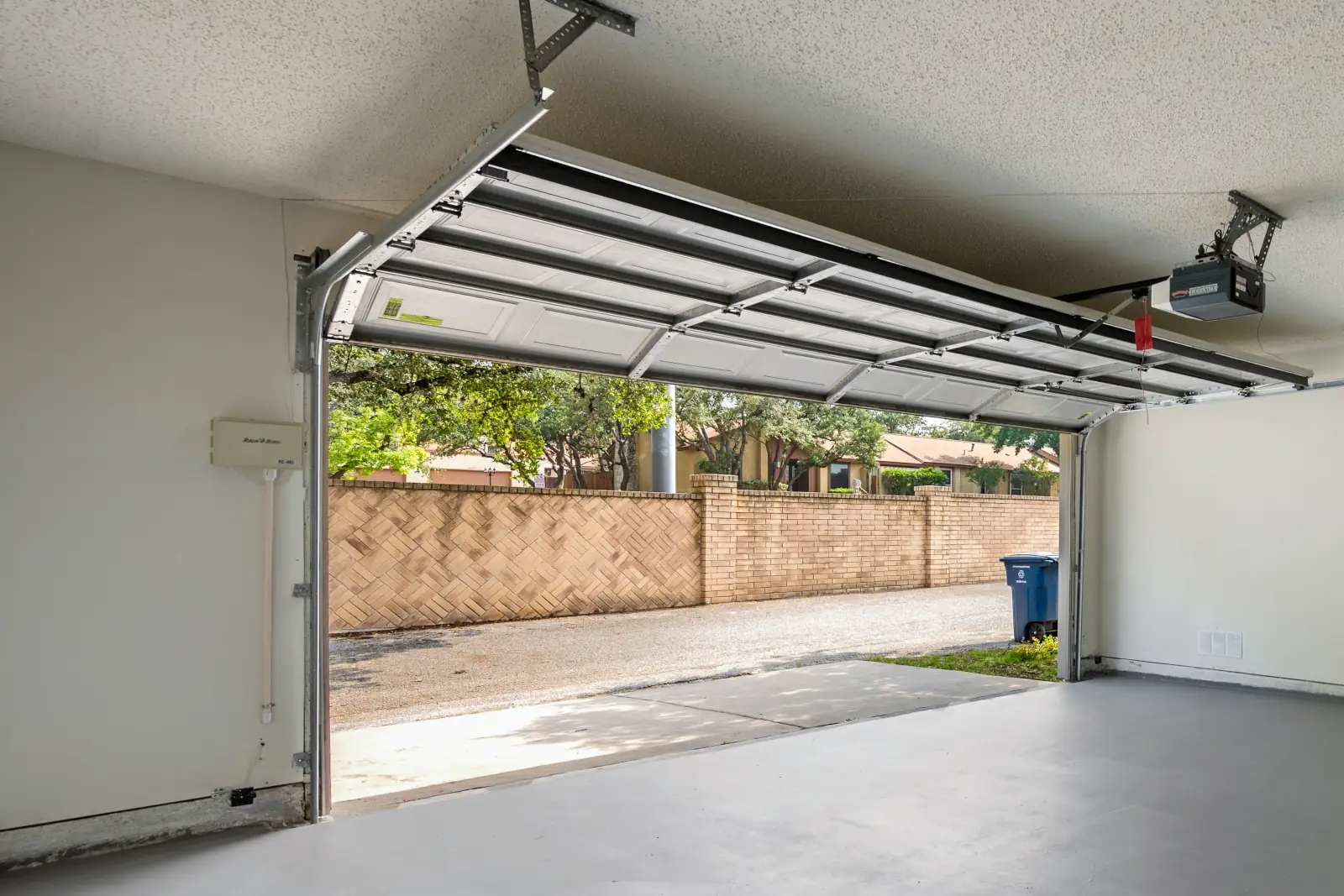
Operating an automated overhead door during sub-zero winter temperatures presents serious mechanical challenges. Extreme cold hardens lubricants, stiffens rubber weather stripping, contracts metal components, and reduces battery output. When temperatures plunge, a residential garage door opener must deliver sufficient power and thermal resilience to lift heavy, frost-covered panels without stalling or stripping internal drive gears.
Choosing an opener specifically engineered to withstand freezing conditions prevents sudden morning lock-ins, lowers long-term component wear, and maintains smooth automated entry throughout severe winter weather.
Mechanical Drive Types: Cold Weather Resilience
The internal mechanism that transfers power from the electric motor to the lift carriage determines how well an opener copes with freezing temperatures:
1. Belt-Drive Openers (Steel-Reinforced Rubber)
Modern belt-drive systems utilize heavy-duty polyurethane belts reinforced with internal steel cords. Unlike chain systems, belt drives do not require heavy grease coatings that solidify and gum up in sub-freezing air. Polyurethane remains flexible in temperatures well below zero, providing quiet operation, minimal vibration, and smooth engagement with the motor sprocket during deep winter freezes.
2. Heavy-Duty Chain Drives
Chain drives provide exceptional raw lifting force, making them well-suited for heavy double-car carriage doors or thick, insulated double-steel doors weighed down by winter moisture. However, standard petroleum grease on exposed steel chains tends to thicken and collect grime during freezing weather, creating extra drag on the motor. To ensure reliable performance, chain assemblies require cold-resistant synthetic lubricants rather than standard automotive grease.
3. Direct-Drive and Shaft-Mounted Openers
Direct-drive units mount a single moving motor directly inside the overhead trolley track, while jackshaft openers attach to the wall beside the torsion bar. Both configurations eliminate long exposed chains or belts. Because they feature fewer moving external parts exposed to ambient cold, wall-mounted jackshaft systems offer superior reliability in unheated garages, provided the spring assembly remains properly balanced.
Key Features to Prioritize for Winter PerformanceHigh-Torque DC Motors with Soft Start/Stop
Direct Current (DC) motors outperform traditional Alternating Current (AC) units in freezing climates. DC motors allow for precise variable-speed control, implementing a “soft start and soft stop” routine. Accelerating gradually protects stiff cold steel springs, frost-frozen tracks, and hardened rollers from violent sudden tugs that can snap lift cables or strip drive gears.
Cold-Tolerant Battery Backup Power
Ice storms, heavy snowfalls, and freezing rain regularly cause municipal power outages. A battery backup system guarantees access to your vehicle during an emergency shutdown. Look for units equipped with sealed lead-acid (SLA) or advanced lithium batteries that retain charge capacity during prolonged exposure to ambient freezing temperatures.
Integrated Thermal Protection Circuitry
Cold weather causes metal tracks to contract and lubricants to thicken, forcing the opener motor to work significantly harder to raise the door. Openers built with integrated thermal overload sensors automatically shut off power if internal windings overheat, protecting delicate circuit boards from burning out during heavy strain.
Drive Motor Performance Comparison
| Opener Technology | Cold Weather Reliability | Noise Level | Maintenance Needs | Best Suited Door Type |
| DC Belt Drive | Excellent | Very Quiet | Low | Heavy Insulated Residential Doors |
| AC Chain Drive | Good (Requires Synthetic Lube) | Loud | Moderate | Non-Insulated or Standard Single Doors |
| Direct Drive (Trolley) | High | Extremely Quiet | Very Low | Attached Garages Near Living Quarters |
| Wall-Mount (Jackshaft) | Superior | Very Quiet | Low | High-Ceiling or Unheated Detached Bays |
Winterizing Your Automatic Opener Assembly
Even the most powerful cold-rated drive unit will struggle if surrounding mechanical hardware freezes or binds up. Preparing your system for severe seasonal weather requires a few essential steps:
- Switch to Synthetic Lubrication: Standard lithium grease hardens into a thick paste during deep freezes. Clean off old grease along tracks, hinges, and screw drives, then apply a low-viscosity, silicone-based lubricant rated for sub-zero temperatures.
- Inspect Perimeter Weather Seals: Bottom rubber seals often freeze directly to wet concrete driveways. Forcing an opener to pull a frozen seal off the ground can tear the rubber or trigger motor safety reverses. Treat bottom seals with a light coating of silicone spray to prevent ice bonding.
- Calibrate Force Limits: Cold weather increases track friction. Check your opener’s manual to adjust the open/close travel force limits slightly higher for winter, preventing the motor from mistaking cold-induced friction for a physical obstruction.
- Clean Photo-Eye Lenses: Low winter sun angles, swirling snow, and frost condensation regularly blind infrared safety eyes. Wipe lenses clear with a microfiber cloth to prevent unexpected door reversals.
Long-Term Value of Professional System Upgrades
Selecting an opener suited to cold weather keeps your home accessible and secure during harsh seasonal storms. Pair your drive unit with properly insulated door panels and calibrated high-cycle springs to ensure your system operates smoothly year-round.
When severe cold strains aging equipment or causes mechanical failure, arranging a professionalgarage door opener installation ensures your motor power, track alignment, and safety mechanisms are tuned to withstand freezing seasonal demands. Accurate setup protects internal electronics, extends hardware life, and provides quiet, reliable performance throughout the coldest winter months.
