


For many adults living with type 2 diabetes, checking blood sugar has traditionally meant finger-prick tests at set times of day. A major new clinical trial now adds strong evidence that a different approach — wearing a continuous glucose monitor — can help even people who do not use insulin keep their blood sugar in a healthier range for substantially more of the day.
Reporting on the trial, the University of Colorado Anschutz Medical Campus said participants using the monitors spent roughly five more hours a day within their target range. That is a meaningful difference, because time spent in range is increasingly viewed by clinicians as a clearer picture of day-to-day control than a single laboratory result taken every few months.
What the Trial Found
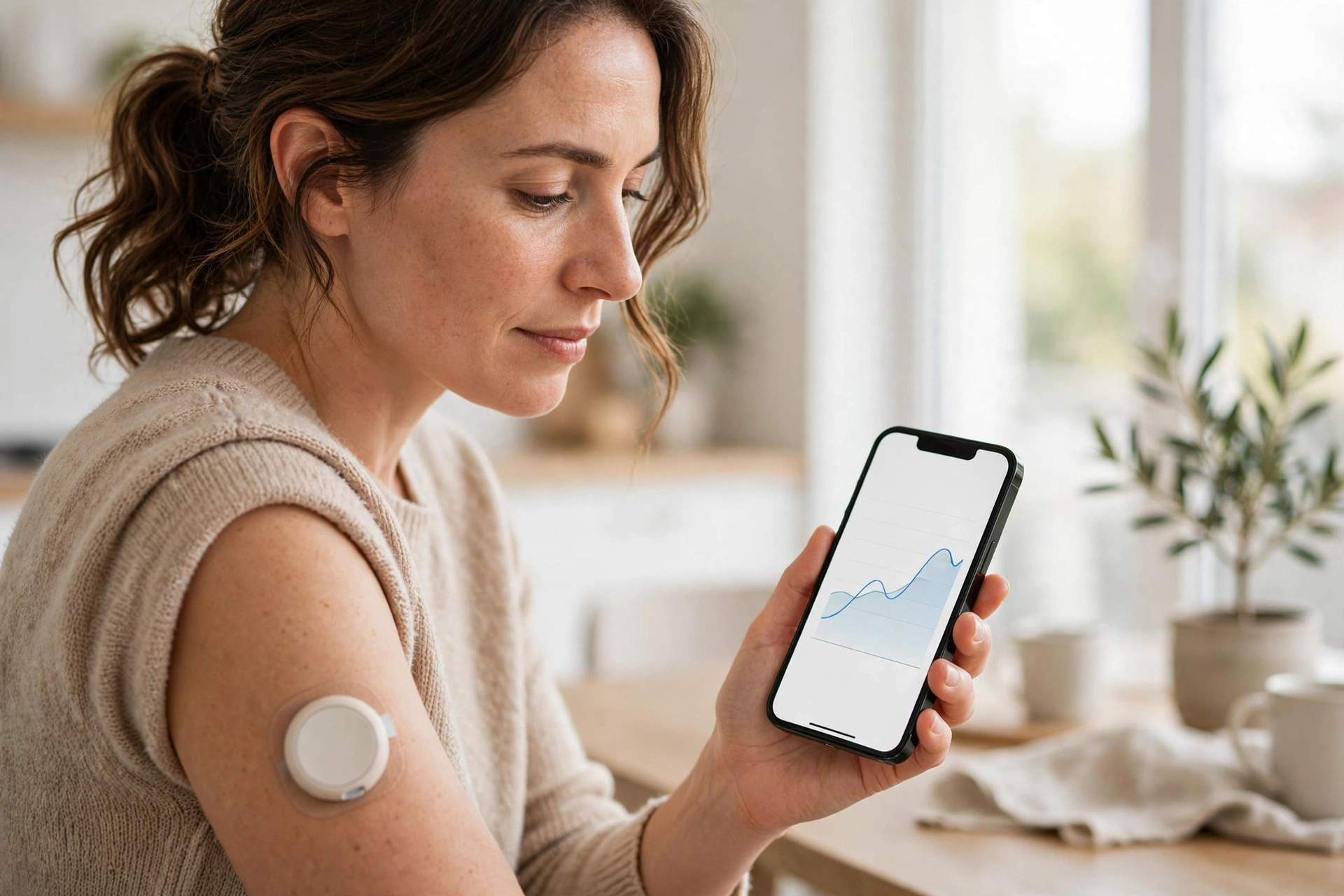
The study, described as the largest of its kind and published in the New England Journal of Medicine, focused on adults with type 2 diabetes who were not using insulin — a large group that has not always been offered monitor technology. Continuous glucose monitors, often called CGMs, use a small sensor worn on the body to track glucose levels throughout the day and night and send readings to a phone or receiver.
According to the University of Colorado Anschutz summary of the research, the extra time in range amounted to about five additional hours a day. Researchers and diabetes specialists say that kind of improvement, sustained over time, could help lower the risk of complications linked to persistently high blood sugar.
Why Seeing the Pattern Matters
A single finger-prick result tells you where your glucose is at one moment. A monitor shows the pattern: how a meal, a walk, stress, poor sleep or a missed routine changes levels over the following hours. That feedback loop is the real value for many patients. Instead of guessing why a morning reading is high, they can see what happened overnight and adjust habits with their care team.
Clinicians caution that the technology is a tool, not a treatment on its own. The readings are most useful when they lead to practical changes — portion choices, timing of activity after meals, or a conversation about medication — and when patients are shown how to interpret trends rather than react to every small rise and fall.
Who Might Benefit Most
Adults whose blood sugar is above target despite oral medication, people who experience unexplained swings, and those trying to understand how food and activity affect them are among the groups doctors say could benefit. Access, however, remains uneven. Coverage rules differ widely, and not every insurer pays for monitors for people who are not using insulin.
That access question is now likely to get more attention. When a large, well-designed trial shows a clear benefit in a group previously excluded from routine coverage, patients and advocacy groups tend to press for policy to catch up with the evidence. The American Diabetes Association provides background on monitoring options and questions patients can raise with their clinicians.
Talk to Your Care Team First
Anyone considering a monitor should start with their own doctor or diabetes educator. Sensor accuracy, skin sensitivity, cost and how the data will actually be used in treatment decisions all matter. A device that sits unused in a drawer helps no one, while a short, guided trial period can show quickly whether the feedback changes daily habits.
Readers interested in broader health coverage on this site can also see our guide to reclaiming independence through substance abuse treatment programs, which looks at another area where structured support and monitoring can change outcomes.
The Bottom Line
The headline finding is simple: for adults with type 2 diabetes who do not use insulin, continuous monitoring was linked to about five more hours a day in a healthy blood sugar range. The longer-term significance will depend on access, cost and whether health systems help patients turn constant data into lasting habits. On the evidence of this trial, that conversation is now much harder to postpone.
