


Age-related macular degeneration (AMD) is a common eye condition that primarily affects adults as they get older and can lead to significant central vision loss if not identified and managed promptly. Unlike other eye problems that impact peripheral vision, AMD affects the macula, the part of the retina responsible for sharp, detailed vision, which is used in activities such as reading, driving, or recognizing faces.
Early detection allows individuals to preserve as much vision as possible and take steps to slow the condition’s progression, improving long-term quality of life.
What AMD Is And How It Affects Vision
AMD is a progressive eye disease that causes damage to the macula, the central portion of the retina. The retina is the light-sensitive tissue at the back of the eye that converts light into the signals the brain interprets as images. As AMD progresses, the cells in the macula weaken and die, leading to blurred or distorted central vision. Peripheral vision usually remains intact, but the loss of central vision can make daily tasks difficult or impossible.
- Dry AMD – The Most Common Form
The majority of people diagnosed with AMD have the dry form. This type develops gradually and is characterized by the thinning of macular tissue and the accumulation of tiny yellow deposits called drusen beneath the retina. In its early stages, dry AMD may not cause any noticeable symptoms, which is why regular eye exams are important. As the disease progresses, individuals may experience blurriness, dark spots, or difficulty seeing fine details in their central vision.
- Wet AMD – A More Aggressive Variant
Wet AMD is less common but can lead to rapid and severe vision loss if not treated promptly. It occurs when abnormal blood vessels grow beneath the retina and leak fluid or blood, causing damage to the macula. This leakage results in swelling, scarring, and distortion of central vision. Symptoms may include straight lines appearing wavy, dark spots in the center of vision, or a sudden decrease in visual clarity. Because wet AMD can progress quickly, early diagnosis is especially important.
Recognizing Early Signs And Symptoms
One of the challenges with AMD is that its early stages usually cause no noticeable symptoms. Many people may not realize they have the condition until vision changes become more pronounced. Common signs and later symptoms include blurred or hazy central vision, difficulty recognizing faces, straight lines appearing wavy, and dark or empty spots in the visual field. Regular eye examinations, especially for adults over 50, are essential for detecting subtle changes before significant vision loss occurs.
Risk Factors That Increase AMD Likelihood
While age is the most common risk factor, with AMD becoming more common after age 50, other factors also influence the likelihood of developing the condition. Smoking, high blood pressure, a family history of AMD, and a diet high in saturated fats are linked to higher risk. Individuals with these risk factors should be particular about their eye health and undergo regular eye checkups to catch early changes.
How Eye Specialists Diagnose AMD
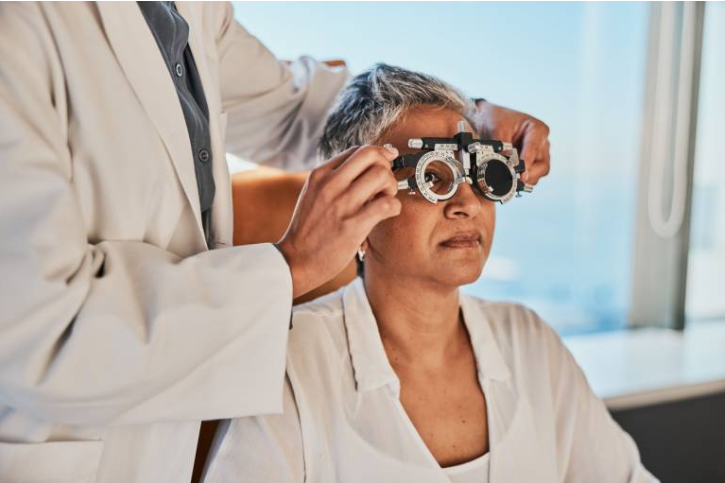
Diagnosing AMD involves a comprehensive eye examination by an ophthalmologist or eye care specialist. Testing may include visual acuity assessment, dilated eye exams, and advanced imaging techniques like optical coherence tomography (OCT). OCT uses light waves to capture detailed cross-sectional images of the retina, allowing doctors to observe changes beneath the surface that would otherwise go unnoticed. Early diagnosis through these exams enables more effective monitoring and treatment planning.
Treatment Options Based On AMD Stage
There is currently no cure for AMD, but several treatments can slow its progression and help manage symptoms, depending on the type and severity:
- Dry AMD: In early stages, vision may be monitored regularly without active intervention, but nutritional supplements containing antioxidants, zinc, lutein, and zeaxanthin (AREDS2 formulation) are recommended to slow progression in intermediate and late stages.
- Wet AMD: The primary treatment involves anti-VEGF (vascular endothelial growth factor) injections into the eye. These medications reduce abnormal blood vessel growth and fluid leakage, slowing disease progression and in some cases improving vision. Common drugs include aflibercept, ranibizumab, and bevacizumab. Photodynamic therapy and laser treatments may also play a role for select patients.
Timely treatment, especially for wet AMD, makes a significant difference in preserving vision.
Lifestyle And Preventive Measures
In addition to clinical treatments, lifestyle factors play a role in AMD management. Smoking cessation is strongly advised. A nutrient-rich diet, including leafy greens, colorful vegetables, fish, and antioxidants is recommended to support retinal health. Regular physical activity and controlling cardiovascular risk factors like hypertension also contribute to better eye outcomes.
The Role Of Early Detection In Vision Preservation
Early detection of AMD is important because treatments are most effective before extensive retinal damage occurs. Regular comprehensive eye exams allow specialists to identify AMD even when symptoms have not yet appeared. Tools like the Amsler grid, which patients can use at home to monitor central vision, help detect subtle distortions that might indicate early disease progression.
Chandigarh is among the most preferred choices for individuals seeking specialized eye care. Undergoing age related macular degeneration treatment in Chandigarh can help connect them with experienced retinal specialists familiar with the latest AMD care protocols. Prompt medical attention following early signs enables timely interventions that protect vision and maintain quality of life.
