


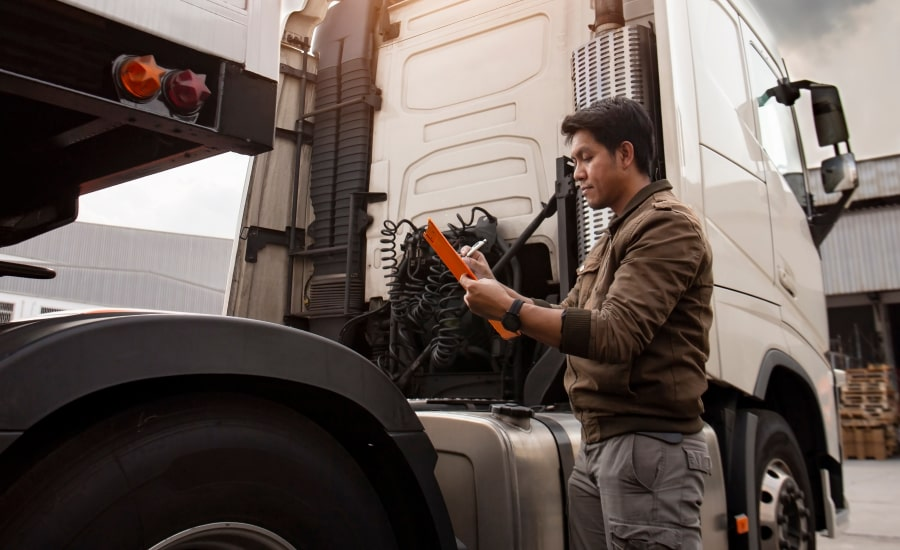
Buying a truck is one of the biggest investments you will make in your business or personal life. Whether you are an owner-operator hauling freight across the Nullarbor, a tradie looking for a reliable workhorse, or a fleet manager expanding your operation, the stakes are high. Get it right and you have a dependable asset that earns its keep for years. Get it wrong and you are stuck with costly repairs, unexpected downtime, and a vehicle that simply does not match the job.
This buyer’s guide is designed to walk you through every major consideration before you commit to a purchase. From understanding what type of truck suits your needs to inspecting a vehicle’s mechanical condition, negotiating the deal, and sorting the paperwork, consider this your go-to resource for making a confident, well-informed decision.
Australia’s trucking landscape is unique. Our distances are vast, our climates are extreme, and our road conditions vary wildly from smooth bitumen highways to red-dirt outback tracks. A truck that performs brilliantly in Europe or North America might struggle under Australian conditions. That is why it pays to do your homework before you even set foot on a sales yard.
The Types of Trucks Available in Australia
Before you start browsing listings for trucks on sale, it helps to understand the broad categories you will encounter. Australian roads carry a wide range of commercial vehicles, each built to serve a specific purpose.
Light-Duty Trucks
Light-duty trucks, sometimes called light commercials, typically range from one tonne to around four-and-a-half-tonne gross vehicle mass (GVM). Think single-cab or dual-cab models commonly used by tradespeople, couriers, and small business owners. They are easy to drive, affordable to run, and often do not require a heavy vehicle licence.
If your work involves local deliveries, landscaping, plumbing, electrical work, or similar trades, a light-duty truck might be all you need. These vehicles are nimble in urban settings and relatively simple to maintain.
Medium-Duty Trucks
Medium-duty trucks sit in the GVM range of roughly four-and-a-half to fifteen tonnes. They are popular choices for furniture removalists, refrigerated goods transport, livestock cartage over shorter distances, and general freight within a single state or territory.
These trucks offer a solid middle ground between payload capacity and ease of handling. Many newer medium-duty models come with automatic transmissions, making them accessible to drivers who have not spent decades behind the wheel of a heavy rig.
Heavy-Duty and Prime Movers
When the loads get serious, heavy-duty trucks and prime movers step in. With GVM ratings exceeding fifteen tonnes and the ability to haul B-doubles, road trains, and other multi-combination vehicles, these are the backbone of Australia’s long-haul freight industry.
Heavy-duty rigs demand experienced drivers, a heavy combination licence (HC or MC), and a solid maintenance schedule. They are also a significant financial investment, so the stakes of choosing the right one are considerably higher.
For a broader overview of how trucks are classified globally, the Wikipedia article on truck classification provides a useful reference point.
New Trucks vs Used Trucks: Weighing Your Options
One of the first decisions you will face is whether to buy new or used. Both paths have merit, and the right choice depends on your budget, your intended use, and how much risk you are comfortable taking on.
The Case for Buying New
A brand-new truck comes with a manufacturer’s warranty, the latest safety and emissions technology, and the peace of mind that no one else has put wear on the engine, drivetrain, or chassis. You can also spec the vehicle exactly to your needs, choosing the right axle configuration, cabin layout, and optional extras.
Newer trucks tend to be more fuel-efficient, which matters enormously when diesel prices fluctuate the way they do in Australia. Over a five-year ownership period, the fuel savings alone can offset a portion of the higher purchase price.
The main downside, of course, is cost. New heavy-duty trucks can run well into six figures, and even a new light-duty model will cost significantly more than its second-hand equivalent.
The Case for Buying Used
A pre-owned truck that has been well maintained can offer outstanding value. Depreciation hits hardest in the first two to three years of a truck’s life, so buying a vehicle that is a few years old lets someone else absorb that initial loss in value.
Used trucks are also available immediately. If you need a vehicle on the road next week, finding a suitable pre-owned option is usually quicker than placing a factory order and waiting months for delivery.
The risk with used vehicles is the unknown. How was the truck driven? Was it serviced on schedule? Are there hidden mechanical issues lurking beneath the surface? These questions make thorough inspections absolutely essential, which we will cover in detail shortly.
Key Factors to Consider When Purchasing a Truck
Once you have settled on the type and age of vehicle you are after, there are several important factors to evaluate. Rushing this stage is the single biggest mistake buyers make.
Payload and Towing Capacity
Every truck has a maximum GVM and a gross combination mass (GCM) rating. These figures dictate how much weight the vehicle can legally carry, including the weight of the truck itself, the body, the payload, and any trailer.
Overloading a truck is not just illegal. It is dangerous. It wears out brakes, tyres, and suspension components prematurely, and it can void your insurance if an accident occurs. Make sure the truck you choose has adequate capacity for your heaviest realistic load, plus a safety margin.
Engine Performance and Fuel Economy
Australian trucking often involves long stretches of highway driving, steep grades in mountainous terrain, and idling in heavy urban traffic. The engine needs to handle all of these conditions efficiently.
Look at torque figures as well as horsepower. Torque is what gets a heavy load moving from a standstill and keeps it moving up a hill. A truck with high torque at low RPM will feel more responsive under load and will generally use less fuel in the process.
Cabin Comfort and Driver Wellbeing
If you or your drivers are spending eight, ten, or twelve hours a day in the cabin, comfort is not a luxury. It is a safety issue. Fatigued drivers are dangerous drivers, and a well-designed cabin with good seating, climate control, low noise levels, and intuitive controls can make a genuine difference to alertness and wellbeing.
For long-haul operations, consider trucks with sleeper cabs. The ability for a driver to rest properly during mandated breaks, without leaving the vehicle, is invaluable on remote Australian routes.
Transmission Type
Manual transmissions have long been the standard in Australian trucking, but automated manual transmissions (AMTs) and full automatics are becoming increasingly popular. Automatic options reduce driver fatigue, lower the barrier to entry for less experienced operators, and can improve fuel economy when paired with modern engine management systems.
That said, some experienced drivers prefer the control of a manual gearbox, particularly in off-road or challenging terrain. Consider who will be driving the truck and in what conditions before deciding.
Aftersales Support and Parts Availability
This point cannot be overstated. Buying a truck with limited parts availability in Australia can turn a minor breakdown into a week-long ordeal. Before committing to any brand or model, research how readily parts can be sourced in your region.
A strong dealer and service network means faster repairs, better technical support, and higher resale value down the track. If parts need to be shipped from overseas and take weeks to arrive, your truck is sitting idle, earning nothing while costs pile up.
How to Inspect a Truck Before Buying
Whether the vehicle is new or pre-owned, a thorough inspection is non-negotiable. Here is a practical checklist to guide you through the process.
Exterior and Chassis
Walk around the truck slowly. Look for signs of rust, accident damage, misaligned panels, and excessive wear on the chassis rails. Check the condition of the tyres, including even wear patterns, tread depth, and sidewall damage. Uneven tyre wear often points to alignment or suspension issues.
Inspect the underside of the vehicle if possible. Look for oil leaks, cracked welds, and signs of corrosion, especially if the truck has been operating in coastal areas where salt air accelerates rust.
Engine and Drivetrain
Start the engine cold if you can. Listen for unusual knocking, rattling, or excessive smoke on start-up. Blue smoke typically indicates oil burning. Black smoke suggests a fuelling issue. White smoke on a cold morning is usually condensation and clears quickly, but persistent white smoke can signal a blown head gasket.
Check the engine oil and coolant levels. Look at the colour and consistency of the oil. Milky oil is a red flag for coolant contamination. Pull the transmission dipstick as well if the truck has one, and look for burnt fluid or metal particles.
Brakes and Suspension
Test the brakes at low speed before taking the truck on the road. They should engage smoothly and bring the vehicle to a stop without pulling to one side. Any grinding, squealing, or pulsating through the pedal warrants further investigation.
Bounce each corner of the truck. It should settle quickly. Continued bouncing suggests worn shock absorbers. Inspect air bag suspensions for cracks or leaks if applicable.
Service History and Documentation
Ask for the full service history. A well-documented maintenance record is one of the most reliable indicators of how a truck has been treated. Look for regular oil changes, scheduled services, and any major repairs or rebuilds.
Verify the odometer reading against the service records. Odometer tampering, while less common with digital systems, still occurs in the used truck market.
Financing Your Truck Purchase
Trucks are capital-intensive assets, and most buyers rely on some form of financing. Understanding your options can save you thousands over the life of the loan.
Chattel Mortgage
A chattel mortgage is one of the most common financing structures for truck purchases in Australia. You take ownership of the vehicle from day one, the lender holds a mortgage over the asset, and you make regular repayments over an agreed term. Interest and depreciation may be tax-deductible, making this option attractive for businesses registered for GST.
Finance Lease
With a finance lease, the lender owns the truck and leases it to you for a fixed period. At the end of the lease, you typically have the option to purchase the vehicle for a residual value, extend the lease, or return the truck. Lease payments are generally tax-deductible as a business expense.
Operating Lease
An operating lease is similar to a long-term rental. You use the truck for an agreed period without ever taking ownership. This can suit businesses that want to upgrade their fleet regularly and prefer predictable monthly costs without worrying about resale.
Hire Purchase
Under a hire purchase arrangement, you pay for the truck in instalments and take ownership once the final payment is made. This structure is straightforward and suits buyers who want to own the vehicle outright at the end of the term.
Regardless of which option you choose, shop around for competitive interest rates and read the fine print carefully. Pay attention to balloon payments, early repayment penalties, and any fees that might not be immediately obvious.
Registration, Compliance, and Legal Requirements
Buying a truck involves more regulatory red tape than purchasing a standard passenger car. Staying on top of the legalities protects you from fines, insurance complications, and potential liability issues.
Registration and CTP Insurance
Every truck operating on Australian roads must be registered in the relevant state or territory and carry compulsory third-party (CTP) insurance. Registration fees vary depending on the vehicle’s GVM, the state of registration, and whether the truck is used for personal or commercial purposes.
National Heavy Vehicle Regulations
The National Heavy Vehicle Regulator (NHVR) oversees the regulation of heavy vehicles across most of Australia. Familiarise yourself with the relevant standards for your vehicle class, including mass limits, dimension limits, fatigue management obligations, and chain of responsibility laws.
Chain of responsibility legislation means that everyone in the transport supply chain, from the consignor to the driver, shares legal accountability for safety breaches. Understanding these obligations before you buy a truck is essential.
Roadworthy and Pre-Purchase Inspections
In most states, a used truck must hold a valid roadworthy certificate (or safety certificate, depending on your jurisdiction) before it can be re-registered. Even if a certificate is provided, consider commissioning an independent pre-purchase inspection by a qualified heavy vehicle mechanic. It is a small expense that can prevent a very costly mistake.
Getting the Best Deal on Trucks for Sale in Australia
Nobody wants to pay more than they need to. Here are some practical tips for negotiating a fair price.
Research the market value of the specific make, model, and year you are interested in. Look at asking prices for comparable vehicles listed across Australia to establish a realistic benchmark.
Do not be afraid to negotiate. Sellers, particularly commercial ones, expect it. Come prepared with your research, point out any issues identified during your inspection, and be willing to walk away if the numbers do not stack up.
Timing can work in your favour. End-of-financial-year sales, fleet clearances, and model changeover periods often bring reduced pricing or additional incentives. Patience can translate directly into savings.
If you are on the hunt for quality options and are based in Western Australia, you might want to explore the range available through truck sales Perth to see what suits your operation.
Consider the total cost of ownership, not just the sticker price. A truck that costs a few thousand dollars less upfront but drinks more fuel, requires expensive parts, or depreciates faster will cost more in the long run.
Common Mistakes to Avoid When Buying Trucks
Even experienced buyers occasionally slip up. Being aware of common pitfalls can help you steer clear of them.
Buying based on price alone is one of the most frequent errors. The cheapest truck on sale is rarely the best value. A low price often reflects high kilometres, deferred maintenance, or outdated technology that will cost you dearly down the road.
Skipping the test drive is another mistake that surprises many industry observers. You would not buy a car without driving it, and the same logic applies here. Take the truck on a route that mimics your typical operating conditions, loaded if possible, and pay attention to how it handles, brakes, and shifts.
Ignoring resale value is a trap for buyers focused solely on the purchase. Some brands and models hold their value far better than others in the Australian market. A truck that retains strong resale value effectively reduces your total ownership cost.
Failing to account for body and equipment costs catches out first-time buyers regularly. A cab-chassis is just the starting point. Tippers, pantech bodies, refrigerated units, cranes, and tray backs all add significant expense. Factor these into your budget from the outset.
Frequently Asked Questions
What licence do I need to drive a truck in Australia?
The licence you need depends on the truck’s GVM. Vehicles under 4.5 tonnes can be driven on a standard car licence (Class C). Medium rigid trucks require an MR licence, heavy rigid trucks need an HR licence, and prime movers pulling semi-trailers require an HC or MC licence. Each licence class builds on the previous one, so you will need to progress through the system step by step.
How much does a truck cost in Australia?
Prices vary enormously depending on the type, age, brand, and condition. A used light-duty truck might start from around $25,000, while a new heavy-duty prime mover can exceed $250,000. Medium-duty trucks generally fall in the $50,000 to $150,000 range for new models, with used options available for considerably less.
Should I buy a truck with high kilometres?
High kilometres are not automatically a dealbreaker, particularly on highway-driven trucks that have accumulated those kilometres at steady speeds with regular servicing. However, a truck with 800,000 kilometres that has been used primarily for short urban runs with constant stop-start driving will likely have more wear on the clutch, brakes, and transmission. Always weigh the kilometres against the type of use and the quality of the maintenance history.
What is the best time of year to buy a truck in Australia?
The end of the financial year (June) is traditionally a strong period for deals, as sellers look to clear stock and buyers seek to take advantage of tax depreciation benefits before 30 June. Model changeover periods and any industry downturns can also create favourable buying conditions. That said, the right truck at the right price can appear at any time, so staying alert and ready to act is just as important as waiting for a calendar-driven sale.
Can I claim the purchase of a truck on tax?
In most cases, yes. If the truck is used for business purposes, you can generally claim depreciation, interest on financing, running costs, and GST credits (if registered for GST). The Australian Taxation Office offers several methods for calculating depreciation, including instant asset write-off schemes that may apply depending on your business turnover and the cost of the vehicle. Always consult a qualified accountant or tax professional for advice tailored to your specific circumstances.
Final Thoughts
Purchasing a truck is a decision that will affect your business operations and finances for years to come. Taking the time to research your options, inspect vehicles thoroughly, understand the regulatory landscape, and negotiate a fair deal is not just sensible. It is essential.
Whether you are buying your first truck or adding to an established fleet, the principles remain the same. Know what you need, do your due diligence, and never let urgency push you into a decision you are not comfortable with. The Australian truck market is broad and competitive, which means there is always another opportunity around the corner for buyers who are prepared and patient.
A well-chosen truck is more than a vehicle. It is a reliable business partner that keeps your goods moving, your clients happy, and your operation running smoothly, kilometre after kilometre, year after year.