


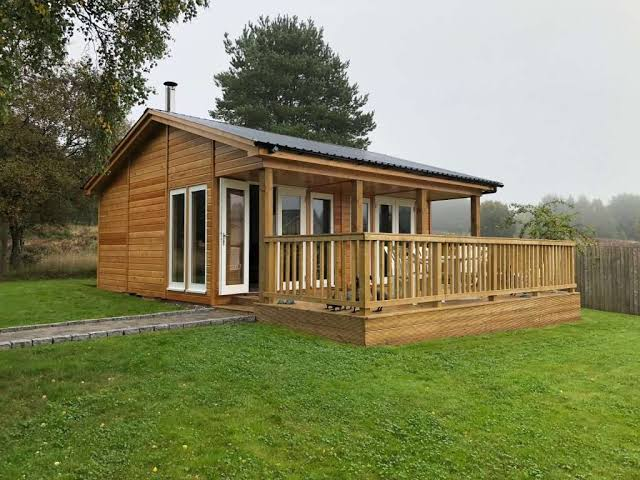
The summer of 2026 was the hottest on record in the UK, a fact now showing up in insurance claims for subsidence as clay soils dried and shrank. Less attention has gone to the effect on the sheds, summerhouses and garden rooms that spent months in heat and sun, and are now heading into autumn rain.
Timber is a natural material that responds to moisture. It shrinks as it dries and swells as it takes on water. A long, hot spell followed by a wet season puts that movement through a wide range in a short time, and the signs are familiar to anyone who owns a timber outbuilding: doors that stick, windows that bind, gaps opening between boards and, in older buildings, cladding that begins to split.
Where the problems start
Most of the damage to timber buildings over winter comes from water that cannot escape. The base is the first place to look. A building sitting directly on soil or on a slab that holds water will draw moisture into its floor bearers, which is where rot often begins unseen. Bearers raised clear of the ground, with air moving underneath, last considerably longer.
Condensation is the second common problem, particularly in garden rooms and offices that are heated only some of the time. Warm air from a heater meets cold walls and roof, and the moisture it carries settles on the coldest surfaces. Without insulation and some route for air to move, that moisture collects behind linings, around window frames and on the underside of roofs.
Roof coverings deserve a look before the weather turns. Felt that has cracked or lifted after a hot summer will let water into the roof boards, and it is usually cheaper to replace felt than to replace the boards beneath it.
Treatment and timber choice
How a building copes depends a great deal on how it was made. Pressure-treated timber resists fungal decay better than untreated wood. Thicker cladding moves less and is less likely to split. Timber certified under schemes such as PEFC or FSC comes from forests managed to recognised environmental standards, which matters to a growing number of buyers.
Some manufacturers now offer composite cladding as an alternative to timber boards. Composite does not need regular staining or treatment and does not rot, though it costs more at the outset and looks different from natural wood. Poultons, an Essex maker of timber garden buildings, offers both PEFC-certified timber and a composite cladding option, a combination that reflects how the market has widened.
Simple checks before winter
A short inspection in October can prevent costly repairs in spring. Owners can clear gutters and the ground around the base, check that air can move under the floor, look for soft or discoloured timber at the bottom of boards and door frames, and re-apply a wood treatment to any bare or weathered areas while there are still dry days to do it.
Doors and windows that stuck in summer may free themselves as the timber takes on moisture again, so adjustments are best left until the building has settled.
The climate pattern of hot summers and wet winters is expected to become more common. For owners of timber buildings, that makes routine maintenance less of an optional chore and more a part of keeping the structure sound.
