


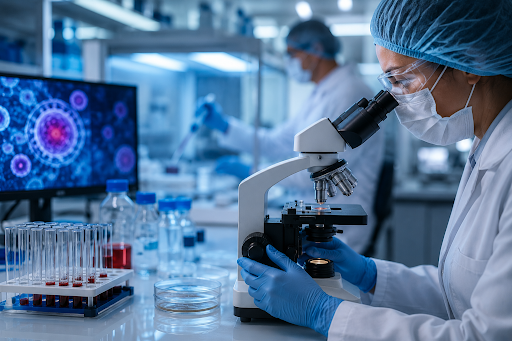
The human skeletal structure is far more than a rigid framework; its inner cavities house a highly dynamic, spongy tissue known as bone marrow. This critical biological environment acts as the body’s central manufacturing hub, responsible for continuously producing billions of red blood cells, white blood cells, and platelets every single day. When a hematological malignancy develops, this intricate production system becomes fundamentally compromised. Cancers such as leukemia, lymphoma, and multiple myeloma originate directly within these precursor cells. Instead of maturing into functional components of the bloodstream and immune system, these malignant cells multiply uncontrollably, physically crowding out healthy tissue and severely compromising the body’s ability to transport oxygen, form blood clots, and fend off dangerous pathogens.
The Limitations of Standard Oncology Regimens
Standard oncological treatments, including targeted therapies and conventional systemic chemotherapy regimens, are often highly effective at inducing initial disease remission. However, these traditional interventions face inherent physiological limitations. Eradicating highly aggressive or relapsed hematological cancers requires extraordinarily high doses of chemotherapy or targeted radiation doses so toxic that they would permanently destroy the patient’s natural bone marrow, leading to fatal bone marrow failure. To safely administer these curative, high-intensity treatments, oncologists rely on a sophisticated cellular rescue strategy. By removing the limitation of marrow toxicity, medical professionals can pursue complete cellular eradication.
The Core Mechanism of Cellular Replacement
This aggressive oncological approach is the defining principle behind aCancer Bone Marrow Transplant. This advanced medical procedure is not a surgical operation, but rather a profound biological reset. The primary objective is to replace the disease-ridden or damaged marrow with a completely fresh, healthy supply of hematopoietic stem cells. These specialized precursor cells possess the remarkable biological ability to travel directly into the bone cavities, establish residence, and independently regenerate the patient’s entire blood and immune system. Depending on the specific diagnosis and the patient’s overall physiological condition, oncology boards will map out one of two primary transplant pathways.
The first pathway, an autologous procedure, utilizes the patient’s own biological material. Prior to the administration of high-dose chemotherapy, specialized medical teams extract and safely freeze the patient’s healthy stem cells. Once the aggressive cancer-killing treatment concludes, these preserved cells are thawed and reinfused to rapidly rescue the patient’s blood-forming capabilities.
The second pathway, an allogeneic procedure, is entirely necessary when the patient’s marrow is too severely corrupted by disease. This approach requires the utilization of perfectly matched cells from a healthy donor. Beyond merely replacing the damaged tissue, an allogeneic graft introduces a completely new immune system into the recipient. This fresh immune network actively hunts down and destroys any lingering, microscopic malignant cells a powerful, sustained defense mechanism recognized as the graft-versus-leukemia effect.
The Rigorous Conditioning Phase
Before any new cells can be introduced, the patient must endure a rigorous preparatory phase universally known as the conditioning regimen. For several consecutive days, the attending medical team administers the maximum tolerable doses of targeted chemotherapy, sometimes paired with total body irradiation. This highly intense phase serves two simultaneous, absolutely vital functions. First, it completely destroys the cancerous cells hiding deep within the skeletal cavities, physically clearing the necessary space for the incoming stem cells. Second, particularly in the case of allogeneic procedures, it severely suppresses the patient’s native immune system, ensuring the body does not immediately identify the donor cells as foreign invaders and mount a fatal rejection response.
Infusion and Biological Engraftment
Following the exhaustion of the conditioning phase, the actual cellular infusion occurs. The meticulously processed stem cells are introduced into the patient’s bloodstream intravenously, through a central venous catheter. Over the course of the next two to four weeks, these microscopic cells rely on precise biochemical signals to navigate their way out of the bloodstream and directly into the empty bone marrow spaces. Upon arrival, the process of engraftment begins. The cells continuously divide and mature, steadily repopulating the patient’s vascular system with a robust, healthy supply of oxygen-carrying erythrocytes, clot-forming thrombocytes, and infection-fighting leukocytes.
Managing Immunological Recovery
The immediate physiological recovery period demands intense medical vigilance. Because the conditioning regimen temporarily abolishes the patient’s natural immune defenses, the risk of acquiring a life-threatening bacterial, viral, or fungal infection is extraordinarily high. Complete protection during this critical window mandates strict isolation in specialized hospital environments equipped with advanced positive-pressure air filtration.
For individuals receiving donor cells, medical teams must also continuously monitor for graft-versus-host disease. This complex condition occurs when the newly transplanted donor immune cells misidentify the patient’s healthy tissues as hostile entities and launch an inflammatory attack. Through the meticulous administration of advanced immunosuppressive protocols, physicians constantly balance the delicate new immune system, keeping the patient safe while preventing cancer recurrence.
The Necessity of Specialized Healthcare Infrastructure
Successfully orchestrating this intricate cellular replacement therapy requires an elite, highly coordinated healthcare infrastructure. Eliminating aggressive hematological diseases demands seamless, daily collaboration among transplant specialists, hematopathologists, infectious disease experts, and specialized critical care oncology nurses. Advanced, high-resolution diagnostic laboratories and rigorous infection control protocols are absolute prerequisites for ensuring patient safety from the initial donor matching process through the final stages of long-term recovery.
Prominent medical institutions such asLiv Hospital exemplify the highly integrated and specialized environments required to execute these intricate medical pathways safely. Access to state-of-the-art sterile facilities, continuous physiological monitoring, and expert collaborative care is essential. Treating severe blood disorders requires a profound institutional commitment to precision medicine, ensuring that every individual receives the comprehensive support necessary to achieve a permanently restored quality of life.