

Addiction is a complex, chronic condition that fundamentally alters the brain’s chemistry, impacting your physical health, emotional stability, and the relationships you hold most dear. Acknowledging that substance use has taken control of your life is not a sign of weakness; it is an incredible display of strength and the most critical step you will ever take toward reclaiming your future. However, navigating the path to sobriety alone is an uphill battle that often leads to relapse. To achieve sustainable, long-term healing, professional intervention is necessary. By partnering with a comprehensive drug treatment center, individuals gain access to the medical oversight, evidence-based therapies, and compassionate community required to break the cycle of dependency for good.
As industry experts in behavioral health and addiction medicine, we understand that stepping into the unknown landscape of rehabilitation can feel daunting. The sheer volume of treatment options, acronyms, and therapeutic modalities can overwhelm individuals and their families during an already stressful time. In this comprehensive guide, we will demystify the recovery process. By exploring the continuum of care, the integration of clinical and holistic therapies, and the vital importance of aftercare, we aim to empower you to make an informed, confident decision about your path to lasting wellness.
The Foundation of Recovery: Navigating the Levels of Care
Addiction is not a one-size-fits-all disease, which means treatment cannot be a one-size-fits-all solution. High-quality rehabilitation facilities utilize a “continuum of care” model, offering various tiers of support that are carefully matched to the severity of the individual’s substance use disorder and their specific medical needs.
Medical Detoxification: The Vital First Step
Before deep psychological and behavioral healing can begin, the physical body must be safely cleared of toxic substances. This phase, known as medical detoxification, is the essential first step in the rehabilitation process.
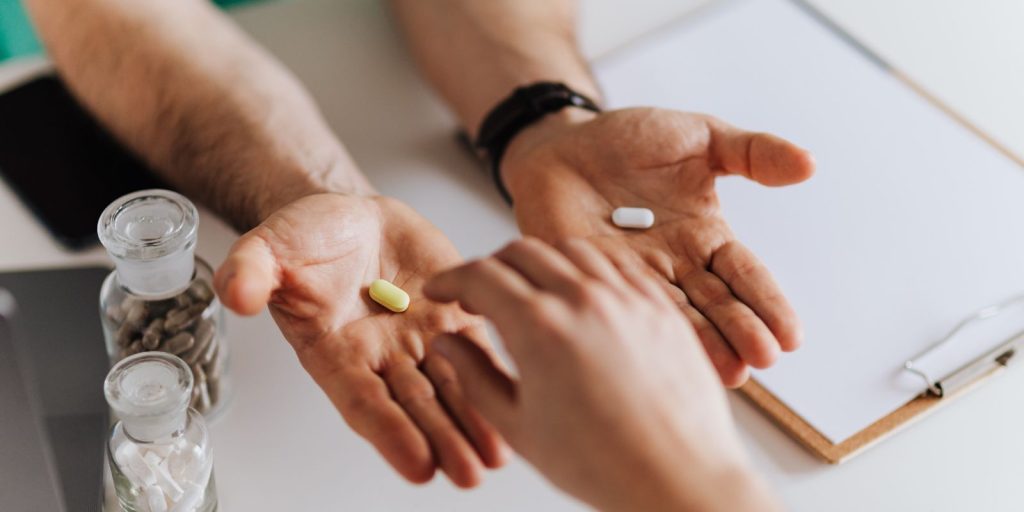
A dangerous misconception is that quitting drugs or alcohol “cold turkey” at home is a display of willpower. In reality, attempting to navigate withdrawal without clinical supervision is medically hazardous. Sudden cessation can trigger a severe central nervous system rebound, leading to complications such as grand mal seizures, cardiac arrhythmias, and profound psychological distress. In a professional detox setting, patients are monitored 24/7 by specialized nurses and physicians. These medical experts utilize Medication-Assisted Treatment (MAT) to mitigate physical pain, ease intense cravings, and ensure the patient’s physical transition to sobriety is as safe, comfortable, and stable as possible.
Inpatient vs. Outpatient Programs (PHP and IOP)
Once an individual is medically stabilized, they transition into the core rehabilitative phase. The right environment depends entirely on the patient’s unique history and home life.
- Residential (Inpatient) Treatment: For individuals with severe addictions, a history of relapse, or an unsupportive home environment, residential treatment is the gold standard. Patients live on-site in a highly structured, trigger-free environment for 30, 60, or 90 days. This immersive setting provides round-the-clock support, allowing the individual to focus entirely on their recovery without the distractions of the outside world.
- Partial Hospitalization Programs (PHP): Serving as a step down from residential care, PHPs offer robust clinical therapy during the day—often five to six days a week—while allowing the patient to return home or to a sober living environment in the evenings.
- Intensive Outpatient Programs (IOP): For those who must maintain work, academic, or family obligations, an IOP provides vital flexibility. Patients attend therapy sessions a few days a week, integrating their newly learned coping skills into their daily lives while remaining tethered to a strong clinical support system.
Evidence-Based Therapies: Healing the Mind
To fundamentally change destructive behavioral patterns and prevent future relapse, a premier treatment facility must utilize therapeutic modalities that have been rigorously tested and proven effective by the psychiatric and scientific communities.
Cognitive and Dialectical Behavior Therapies (CBT & DBT)
Our thoughts directly influence our emotions, which in turn dictate our behaviors. Traditional talk therapy is elevated through structured, goal-oriented frameworks.
- Cognitive Behavioral Therapy (CBT): This foundational modality helps individuals identify and dismantle cognitive distortions—the automatic, negative thought patterns that trigger the urge to self-medicate. By recognizing these mental triggers, patients learn to consciously alter their behavioral responses, substituting substance use with healthy coping mechanisms.
- Dialectical Behavior Therapy (DBT): Originally developed to treat severe emotional dysregulation, DBT is incredibly effective in the addiction space. It focuses heavily on distress tolerance and emotional regulation, equipping patients with the practical skills needed to ride out a severe craving or emotional crisis without reaching for a chemical escape.
Dual Diagnosis and Trauma-Informed Care (EMDR)
It is exceptionally common for a substance use disorder to co-occur with underlying mental health conditions, such as clinical depression, generalized anxiety, bipolar disorder, or PTSD. Often, the addiction begins as a misguided attempt to self-medicate the pain of these undiagnosed illnesses. A top-tier facility utilizes a dual-diagnosis approach, employing cross-trained psychiatric staff to treat both the addiction and the mental health disorder concurrently.
Furthermore, trauma-informed care is non-negotiable. Modalities like Eye Movement Desensitization and Reprocessing (EMDR) allow patients to safely process deep-seated psychological wounds and adverse childhood experiences. By neutralizing the visceral emotional response tied to past trauma, the subconscious need to numb the pain with drugs is effectively eliminated.
A Holistic Approach: Healing the Whole Person
Because prolonged substance abuse ravages the mind, the body, and the spirit, clinical psychotherapy must be integrated with holistic healing practices to achieve complete restoration. Treating the whole person ensures that patients do not just survive without drugs—they actively thrive.
Nutritional Support and Physical Fitness
Substance abuse severely depletes the body of essential vitamins, minerals, and the amino acids necessary to produce neurotransmitters like serotonin and dopamine. You cannot build a healthy mind in a nutritionally depleted body.
- Targeted Nutrition: High-quality rehabs provide nutrient-dense, balanced diets designed to heal the gut microbiome, reduce systemic inflammation, and stabilize erratic blood sugar levels.
- Physical Movement: Regular, supervised physical fitness—whether through yoga, strength training, or outdoor recreation—acts as a powerful organic antidepressant. Exercise naturally boosts endorphin levels, repairs the central nervous system, and helps patients establish a healthy, structured daily routine.
Alternative Therapies: Biosound, Art, and Music
Sometimes, the pain of addiction is too complex for traditional verbal communication. Forward-thinking rehabilitation centers employ cutting-edge alternative modalities to reach patients on a subconscious level.
- Biosound Therapy: This innovative technique utilizes a specialized vibrational bed that integrates sound frequencies, binaural beats, and guided imagery. The vibrations guide the patient’s brain into a deep meditative state, significantly reducing chronic stress, lowering blood pressure, and making the mind highly receptive to positive psychological affirmations.
- Expressive Arts: Art and music therapy provide alternative, non-verbal outlets for self-expression. These experiential therapies allow patients to process complex emotions, rebuild their shattered self-esteem, and foster a profound sense of inner peace and self-discovery.
The Role of the Family in the Recovery Process
Addiction is frequently referred to as a “family disease” because the collateral damage impacts everyone in the individual’s orbit. Deception, financial strain, and codependency often fracture the family unit, making family involvement a critical component of the recovery journey.
Rebuilding Trust Through Family Therapy
When one person is struggling with chemical dependency, the entire household adapts to the chaos. Integrating the family into the treatment process is paramount because the patient cannot return to a sick environment and be expected to stay well. Family therapy provides a mediated, safe space for loved ones to process their own emotional pain and resentment. Through structured sessions, therapists facilitate open, non-judgmental communication, allowing the family to resolve deeply entrenched conflicts and begin the slow process of rebuilding shattered trust.
Education and Codependency Counseling
A crucial element of family healing is education. Therapists work with loved ones to teach them about the neurobiology of addiction, shifting the family’s perspective from moral judgment to medical understanding. Families learn how to identify enabling behaviors and toxic codependency. By establishing firm, healthy boundaries, the family transforms from a source of stress and enabling into an empowered, unified support system that acts as a powerful anchor for the patient’s long-term recovery.
Sustaining Sobriety: The Importance of Aftercare
Graduating from a structured rehabilitation program is a monumental achievement, but it is not the finish line. The true test of a successful recovery program begins the moment the patient discharges and fully transitions back into the autonomy of everyday life. Long-term sobriety requires meticulous planning and ongoing community support.
Developing a Relapse Prevention Plan
In the weeks leading up to discharge, patients work intimately with their clinical team to map out a highly personalized relapse prevention plan. This comprehensive roadmap identifies the individual’s specific environmental, social, and emotional triggers—such as high-stress professional situations, financial anxiety, or returning to certain geographic locations. The plan outlines precise, step-by-step protocols for what the individual must do the moment they experience a craving, ensuring they are never caught off guard.
Alumni Networks and Ongoing Support
Continuity of care is the ultimate safeguard against relapse. A premier treatment center does not simply close its doors upon discharge; it provides a robust transition plan. This may include coordinating ongoing individual therapy or facilitating placement in a structured sober living home. Additionally, engaging with Alumni Programs is vital. These networks keep former patients connected through community events, weekly meetings, and mentorship opportunities. Staying actively engaged with a sober network ensures that the individual remains tethered to a supportive community that truly understands the lifelong journey of recovery.
Conclusion
The cycle of addiction can make you feel entirely powerless, but it does not have to dictate the rest of your life. Overcoming a substance use disorder is undoubtedly one of the hardest challenges a person can face, but with the right professional intervention, it is entirely possible. By stepping into an environment of clinical excellence and compassionate support, you can address the root causes of your pain, heal your physical body, and rebuild your fractured relationships.
Choosing a comprehensive treatment program allows you to break free from the past and build a solid foundation for a healthy, sustainable, and joyful life. You deserve relief, and taking the first step is the most important decision you will ever make. Reach out to an admissions counselor today to confidentially discuss your needs, verify your insurance benefits, and begin the life-saving journey toward lasting sobriety.