


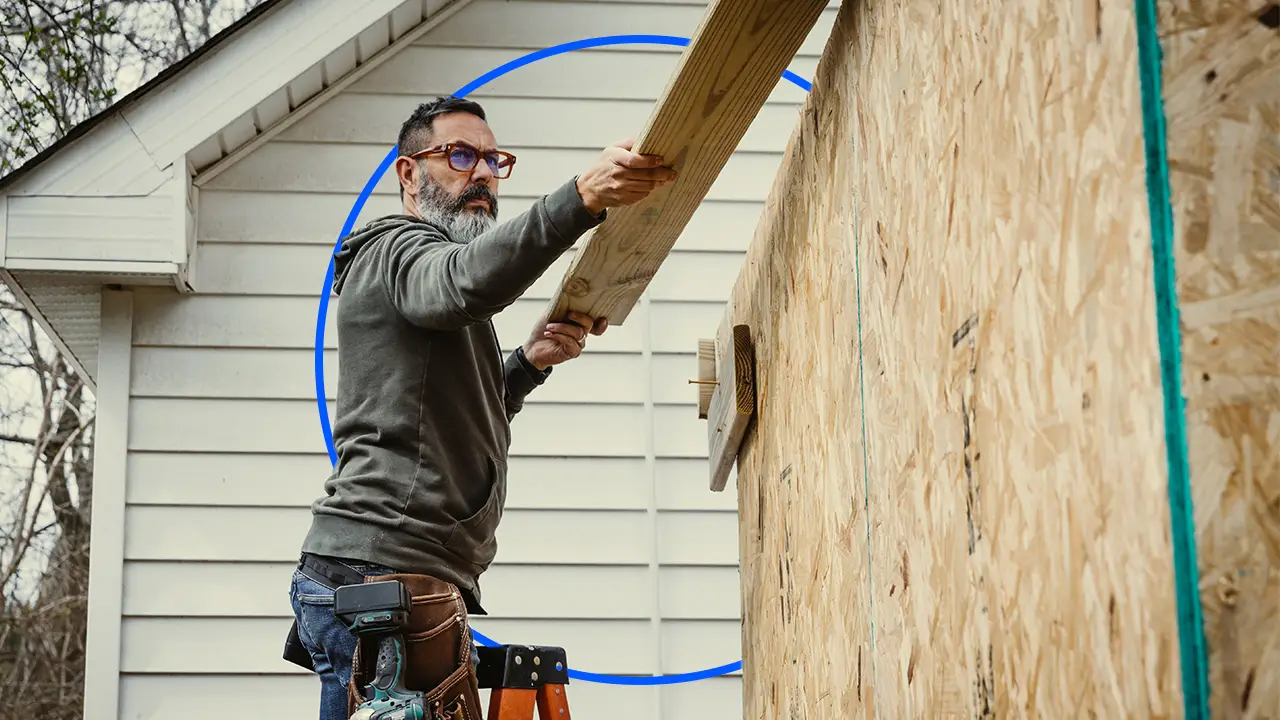
The right house may have the wrong kitchen, an aging roof, or a bathroom that needs more than a fresh coat of paint. If you spend most of your savings on the down payment and closing costs, paying for those improvements afterward can feel out of reach.
You may be able to finance the purchase and renovation together. Several mortgage programs allow eligible buyers to include approved repair costs in their home loan. For a smaller project, a standard purchase mortgage plus separate funding may also work. The best choice depends on the property’s condition, the scope of work, your available cash, and the total cost of borrowing.
Start with the full project cost
Before comparing loans, turn your renovation idea into a working budget. Ask a qualified contractor for a written estimate that separates labor and materials. Include permits, design work, inspections, and any repairs the lender or appraiser may require.
Then ask what happens if the contractor finds hidden damage. Opening a wall for a kitchen remodel may reveal plumbing or electrical problems. Some renovation loan programs provide for a contingency reserve; the amount and rules depend on the loan. You may also need money for temporary housing if the home cannot be occupied during construction.
Consider a simple example: a home costs $300,000, and the planned work costs $40,000. The financing question is not just whether you can afford a $300,000 purchase. It depends on whether you qualify for the purchase, the approved renovation budget, the required cash at closing, and the resulting monthly payment. An appraisal and program rules may limit how much can be financed.
Option 1: FHA 203(k) renovation loan
An FHA 203(k) loan combines an eligible home purchase and rehabilitation into one FHA-insured mortgage. It is designed for buyers who want to purchase a property that needs work, including certain repairs that may prevent it from qualifying for a standard mortgage.
There are two versions. The Limited 203(k) permits up to $75,000 for eligible minor remodeling and nonstructural repairs. The Standard 203(k) supports larger projects, including structural work, and requires at least $5,000 in rehabilitation costs. Standard projects require an FHA-approved 203(k) consultant. Both versions remain subject to FHA property, borrower, loan limit, and project requirements.
The appeal is that the renovation funds are included in the purchase financing. The tradeoff is a more involved process. The lender must review the work, and renovation funds are generally managed through an escrow account and released as the project progresses. FHA mortgage insurance also affects the loan cost. Ask a lender experienced with 203(k) loans to explain the proposed timeline, contractor requirements, inspections, fees, and payment process before you make an offer.
Option 2: Conventional renovation mortgage
A conventional renovation mortgage can also combine the purchase price and eligible improvements into a single loan. Two programs to ask about are Fannie Mae HomeStyle Renovation and Freddie Mac CHOICERenovation.
HomeStyle Renovation can fund a wide range of improvements, from repairs to remodeling. Fannie Mae says there is no minimum renovation dollar amount, and eligible work generally must be permanently attached to the property. The lender reviews the plans and uses an “as completed” appraisal to help determine the permitted loan amount. Specific down payment and loan size limits vary by transaction.
Freddie Mac’s CHOICERenovation likewise allows eligible buyers to finance a purchase and renovations in a single closing. It can be used with certain Freddie Mac mortgage products, subject to their requirements.
These programs may fit buyers who want flexibility in the improvements they make. They still require careful planning: a lender must approve the project, the property must qualify, and contractor bids and completion dates matter. Ask whether the lender offers the specific program and has experience managing renovation loans.
Option 3: VA or USDA financing, if you qualify
Eligible military borrowers can ask about a VA alteration and repair loan used with a home purchase. The VA says approved improvements can be completed after closing, with funds paid to the builder or contractor during the repair period. The loan remains subject to VA and lender requirements, including the property’s condition and value. The VA also cautions that not every lender offers these loans, so it may take some shopping to find one with relevant experience.
For eligible rural buyers, the USDA Single Family Housing Guaranteed Loan Program allows repairs and rehabilitation when purchasing an existing home. The property, household, borrower, and proposed work must meet program rules. USDA’s guarantee is offered through approved lenders.
Neither option is available to everyone. If you may qualify, ask lenders early whether they can finance the particular repairs the home needs.
Option 4: A standard mortgage and separate renovation funds
If a home already meets your lender’s property requirements, you may be able to buy it with a standard mortgage and pay for improvements separately. Possible sources include savings, a personal loan, or contractor financing. A home equity loan or line of credit may become an option when you have sufficient equity, though a newly purchased home may not have enough equity to support one.
Separate financing can be simpler when the work is small and optional, such as replacing flooring in a livable home. But compare the combined cost of the mortgage and any additional debt. A separate loan creates an additional payment and may have a different interest rate or repayment term. If you apply for new credit before the home purchase closes, tell your mortgage lender first: the new payment may affect your qualification.
Be especially careful with borrowing secured by the home. The Consumer Financial Protection Bureau notes that failing to repay a home equity loan or line of credit can put your home at risk.
A standard mortgage is not automatically a workaround for a property in poor condition. If repairs are needed to meet the lender’s requirements, ask about an eligible renovation loan or another lender-approved solution before assuming the work can wait until after closing.
How the purchase and renovation process works
The steps vary by loan, but buyers can generally expect to:
- Speak with renovation lenders before making an offer. Describe the property and planned work. Ask which programs they offer, what projects qualify, and how long their approvals usually take.
- Inspect the home and define the scope. A home inspection helps identify visible concerns, but a specialist may be needed for issues with the foundation, roof, or electrical system.
- Get contractor bids. The lender may require detailed plans, a fixed-price contract, contractor credentials, and proof of permits or insurance.
- Complete the appraisal and loan review. A renovation mortgage may use an estimate of the home’s value after approved work is finished. That value does not guarantee every proposed cost can be financed.
- Close and complete the work. Renovation funds are typically controlled by the lender or an escrow administrator and disbursed in accordance with program rules. Confirm who schedules inspections, approves changes, and pays the contractor.
Build time into the purchase contract for these steps. A contractor’s initial estimate is not the same as a lender-approved renovation budget, and a major change to the work can affect financing or timing.
Compare the entire offer, not just the rate
Request estimates from lenders that actually offer the programs you are considering. Compare the down payment, cash needed at closing, monthly payment, mortgage insurance or program fees, renovation administration costs, and any required reserve. Also ask what happens if the work runs over budget or takes longer than planned.
When comparing formal mortgage offers, review the same loan type and assumptions side by side. The CFPB’s Loan Estimate guide outlines the loan amount, rate, total monthly payment, upfront loan costs, and cash to close. A lower quoted rate may not produce the lowest overall cost.
Finally, keep a cash cushion after closing. A renovation mortgage can help pay for approved work, but it does not eliminate the inconvenience or financial pressure of an unexpected repair.
Choosing a path
If the home needs substantial repairs, begin with lenders experienced in FHA 203(k) or conventional renovation mortgages. If you qualify for VA or USDA financing, ask whether an eligible repair option is available for the property. If the home is livable and the planned updates are modest, compare a standard mortgage plus separate funding with a renovation loan.
The goal is to know what the finished home will cost you, and how the work will be paid for before you commit to buying it.
