


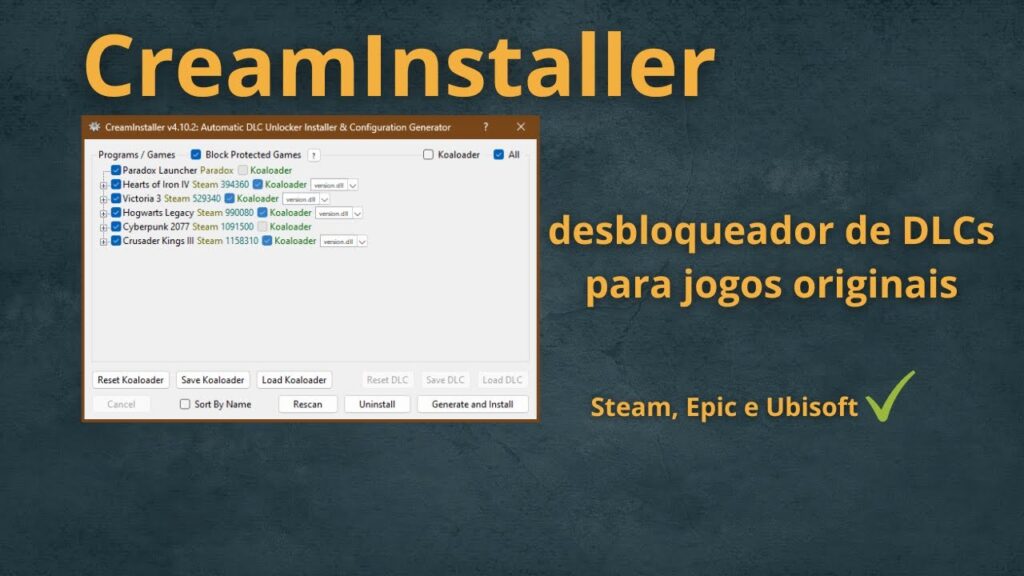
In today’s digital world, users are always looking for ways to improve their software experience, unlock extra features, or make applications more convenient to use. This curiosity often leads people to tools that claim to enhance functionality or provide access to premium content without restrictions. One such name that appears in online discussions is CreamInstaller. The question many users ask is whether it actually enhances the user experience or if it creates more problems than it solves.
To understand this properly, it is important to look at what such tools generally represent, how they are perceived in the software ecosystem, and what impact they may have on performance, security, and overall usability.
Understanding the Idea Behind CreamInstaller
Tools like CreamInstaller are often associated with modifying software behavior, particularly in relation to downloadable content or application features. In simple terms, they are typically discussed in contexts where users try to bypass normal software restrictions or unlock additional features without official authorization.
From a user’s perspective, the appeal is easy to understand. Many applications come with paid features, locked expansions, or subscription-based systems. The idea of accessing everything freely can seem like a shortcut to a better experience. However, the actual outcome is often more complicated than it appears at first glance.
User Experience Expectations vs Reality
When people search for ways to “enhance experience,” they usually expect smoother performance, full access to features, and fewer limitations. In theory, a tool that removes restrictions might seem like it improves usability. However, in practice, the experience is not always stable or consistent.
Software that is modified outside official channels often behaves unpredictably. Updates may stop working, features may break, and compatibility issues can appear. Instead of improving the experience, it can sometimes lead to frustration, errors, or the need for repeated fixes. This mismatch between expectation and reality is one of the most common issues users face with unofficial modification tools.
Security Concerns and Hidden Risks
One of the most important aspects to consider is security. Any tool that modifies software behavior outside official sources can introduce risks that are not immediately visible to the user. These risks can include exposure to malware, unwanted background processes, or compromised system stability.
Even if a tool appears to work correctly at first, it may still alter system files or application behavior in ways that are difficult to detect. Over time, this can affect device performance or even expose personal data to vulnerabilities. For users who value safety and reliability, this is a significant concern.
Legal and Ethical Considerations
Beyond technical issues, there are also legal and ethical factors involved. Software developers invest time, money, and effort into building applications and premium features. When those features are accessed without proper authorization, it can violate licensing agreements and intellectual property rights.
From an ethical perspective, using unofficial tools to bypass restrictions can also impact developers financially. This may reduce their ability to maintain or improve the software in the future. As a result, even if the user experiences short-term benefits, the long-term ecosystem can suffer.
Performance Impact on Systems
Another important factor is system performance. Tools that modify applications often run in the background or alter how programs are executed. This can lead to increased CPU usage, slower startup times, or unexpected crashes.
In some cases, users may notice that their system becomes less stable after installing or using such tools. Instead of enhancing performance, the experience becomes heavier and less efficient. This is especially noticeable on lower-end systems or devices with limited resources.
Stability and Update Issues
Official software is regularly updated to fix bugs, improve features, and maintain compatibility with operating systems. However, modified versions or tools that interfere with software licensing often break during updates.
When updates are applied, the modifications may stop functioning properly, leading to errors or broken features. Users may then need to search for additional fixes, which creates an ongoing cycle of instability. This reduces the overall user experience rather than improving it.
Why Users Still Get Attracted to Such Tools
Despite the risks, many users are still drawn to tools like CreamInstaller because of convenience and cost-saving appeal. The idea of unlocking everything without paying is highly tempting, especially for students or casual users who may not want to invest in multiple subscriptions.
This psychological factor plays a big role in popularity. However, what is often overlooked is the long-term cost of using unstable or unofficial solutions. What seems like a shortcut can eventually turn into more technical problems and additional effort.
Safer Alternatives for a Better Experience
Instead of relying on unofficial modification tools, users can improve their experience through legitimate methods. Many software developers offer free trials, discounted plans, or basic versions that still provide good functionality. Open-source alternatives are also available in many categories, offering transparency and community support.
Using official platforms ensures better stability, regular updates, and customer support. It also reduces the risk of malware or system corruption, creating a smoother and more reliable experience overall.
Final Thoughts
When evaluating whether CreamInstaller or similar tools can enhance user experience, the answer depends on how “enhancement” is defined. While it may appear to offer more features or unlocked content, the reality often includes technical instability, security risks, and ethical concerns.
A truly enhanced experience is not just about access to features but also about safety, reliability, and long-term usability. In most cases, sticking to official software sources provides a more consistent and secure environment for users.
In conclusion, while the idea behind such tools may seem appealing, the overall experience they deliver is often mixed and unpredictable. Users looking for genuine improvement in their digital experience are usually better served by trusted, legal, and well-supported software solutions.
