


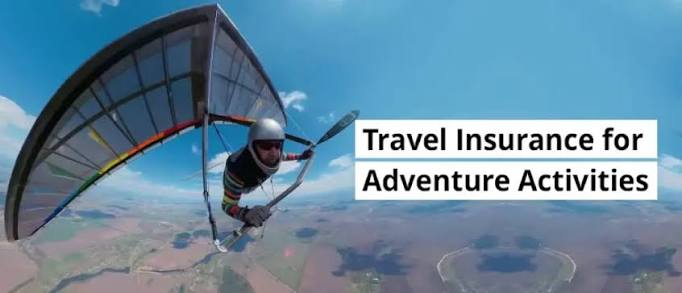
Skydiving over a desert, skiing in the Alps, scuba diving with sharks, or trekking at high altitude these are the trips you remember for life. They also come with higher risks than a standard city break.
Most people assume, “I have travel insurance, so I’m covered.” Often, that’s not true. Many standard policies exclude or limit cover for adventure sports and high‑risk activities unless you add specific travel insurance add‑ons (also called riders).
If your itinerary includes anything more intense than sightseeing and light swimming, this guide is for you.
Adventure Sports & High-Risk Travel Insurance Add-Ons
Most basic travel insurance is built for regular holidays, business trips or low‑risk leisure activities
Once you go beyond that, you usually need optional riders to extend cover. Common adventure or high‑risk add‑ons include:
- Winter sports / ski rider – Skiing, snowboarding, snow parks, sometimes off‑piste within marked areas
- Water sports / diving rider – Scuba diving, snorkelling, jet‑skiing, parasailing, white‑water rafting (often up to a set grade or depth)
- Adventure activities rider – Zip‑lining, bungee jumping, hot‑air ballooning, dune bashing, quad biking
- Trekking / mountaineering rider – Hiking at higher altitudes, climbing with guides, glacier walks
- Motorbike / motorsport rider – Riding scooters or motorbikes above certain engine sizes, off‑road biking, sometimes go‑karting
If a sport is listed as “excluded” or not mentioned at all in the base policy, you should assume you’re not covered unless you add the right rider.
Categorizing High-Risk Activities: Which Rider Do You Need?
Every insurer groups activities differently, but this rough framework helps you match your plans to the right travel insurance add-ons.
1. “Soft Adventure” (Often Partially Covered, Sometimes Needs Rider)
Examples:
- Gentle hiking at low altitude
- Snorkelling
- Kayaking on calm water
- Non‑competitive cycling
These may be included automatically in many travel insurance plans but always check altitude limits for hikes, water conditions such as white‑water vs calm and whether it must be with a licensed operator
2. Classic Holiday Adventures (Typically Need a Specific Rider)
Examples:
- Skiing / snowboarding
- Jet‑skiing, parasailing, banana boat rides
- Quad biking / dune bashing
- Zip‑lining, canyoning
These are often classified as “winter sports” or “water/adventure sports” and require you to add the winter sports or water/adventure sports rider. Stay within set rules such as helmet use, guided tours, marked slopes, etc.
3. Higher-Risk / Technical Activities – Almost Always Need a Specialist Rider
Examples:
- Scuba diving beyond a certain depth or without certification
- Mountaineering with ropes, crampons, or technical gear
- Trekking at high altitude (above a specific meter/feet threshold)
- Competitive events (races, tournaments)
For these, you may need a specialist adventure/expedition rider and a policy from an insurer that focuses on extreme sports
Attempting these activities without the correct rider often means no cover for accidents or medical treatment related to them.
Essential Coverage Clauses for High-Risk Travel
When you build or upgrade your travel insurance for high‑risk trips, don’t just check “is it covered?” look at how it’s covered. Pay attention to below mentioned clauses:
1. Emergency Medical & Evacuation Limits
Ensure the medical coverage limit is high enough for serious injuries (fractures, surgery, ICU). Confirm emergency evacuation is especially important for remote trails, ski resorts, or islands.
2. Search & Rescue (If Available)
Some policies or riders include cover for search and rescue operations, which can be extremely expensive in mountains or remote areas. Set monetary limits or conditions e.g., only when authorised by local authorities.
If you’re trekking, mountaineering, or off‑piste skiing, this clause can be critical.
3. Equipment Cover
If you’re travelling with your own gear check if specialised equipment such as skis, boards, climbing gear, diving gear, mountain bikes is covered for loss or damage. Look for single-item limits and whether sports gear needs to be declared separately.
4. Exclusions and Conditions
This is where many claims fail. Look for exclusions such as:
- Activities done without a certified or licensed guide when one is required
- Not wearing required safety gear (helmets, life jackets)
- Participating under the influence of alcohol or drugs
- Off‑piste skiing without a professional guide
- Exceeding depth/altitude limits (for diving or trekking)
If the travel insurance policy says a sport is covered “only when..”, take that wording seriously.
5. Personal Accident & Disability
For high‑risk travel, it’s worth checking if the policy includes accidental death and permanent disability benefits and are the benefit limits higher or different when the accident involves a listed high‑risk activity
Step-by-Step: How to Select and Purchase the Right Rider
Use this simple process to make sure your travel insurance add-ons actually match your plans.
Step 1: List Your Activities in Detail
Write down exact activities e.g., “scuba diving to 30m with PADI guide”, “skiing on-piste, no off-piste”, approximate dates and locations and whether you’ll be with licensed operators or on your own. The more specific you are, the easier it is to find the right rider.
Step 2: Check Your Base Travel Insurance Policy
Before adding anything, read the Sports / Activities / Exclusions section to highlight what is fully covered, covered with conditions e.g., up to 3,000m altitude and things that are completely excluded. This shows you the gaps you need to fill with add‑ons.
Step 3: Match Activities to Provider Riders
Look at your insurer’s list of riders:
- Winter sports rider for skiing, snowboarding, ice skating, etc.
- Water sports/diving rider for rafting, diving, jet‑skiing.
- Adventure/activities rider for bungee, zip‑lines, quad biking, desert safaris.
- High-altitude/trekking rider for hiking or climbing above certain heights.
If you’re unsure which rider your activity falls under, ask the insurer or broker in writing (e.g., email or chat).
Step 4: Check Limits & Fine Print for the Rider Itself
For each chosen rider, medical limits and evacuation still apply fully during that activity. Check any lower limits or special excess for claims arising from that sport. Note where the rider is valid in certain countries or global.
Step 5: Declare Honestly
If asked about experience or certification (e.g., dive license), always answer honestly. If you’re planning something new like first-time bungee, first-time skiing, make that clear very clear while declaring. Incorrect or incomplete information can cause problems at claim time.
Step 6: Purchase Early & Keep Proof Handy
Add riders when you buy the main policy, not the day before the activity. Keep policy documents, emergency numbers, confirmation of riders
easily accessible on your phone.
If anything changes like adding extra activities or days, update your insurer before you do them.
Conclusion: Adventure Hard, Play Safe
The whole point of adventure travel is to push your boundaries, not your luck. Standard travel insurance is rarely designed for high‑risk sports, which is why carefully chosen travel insurance add-ons are so important.
Before you leap off that bridge, hit that black ski run, or descend into that deep reef:
- Be clear about which activities you’re doing
- Match them to the correct riders
- Check medical, evacuation, and equipment cover
- Respect the policy’s safety conditions and limits
It is recommended to go with a good comparison platform in the UAE, like InsuranceMarket.ae, where you are able to compare more plans, get the right policy with the help of an expert advisors, that way, you can chase the adrenaline you want knowing that if something does go wrong, your finances and your future are properly protected. Adventure hard, but always play safe.
