


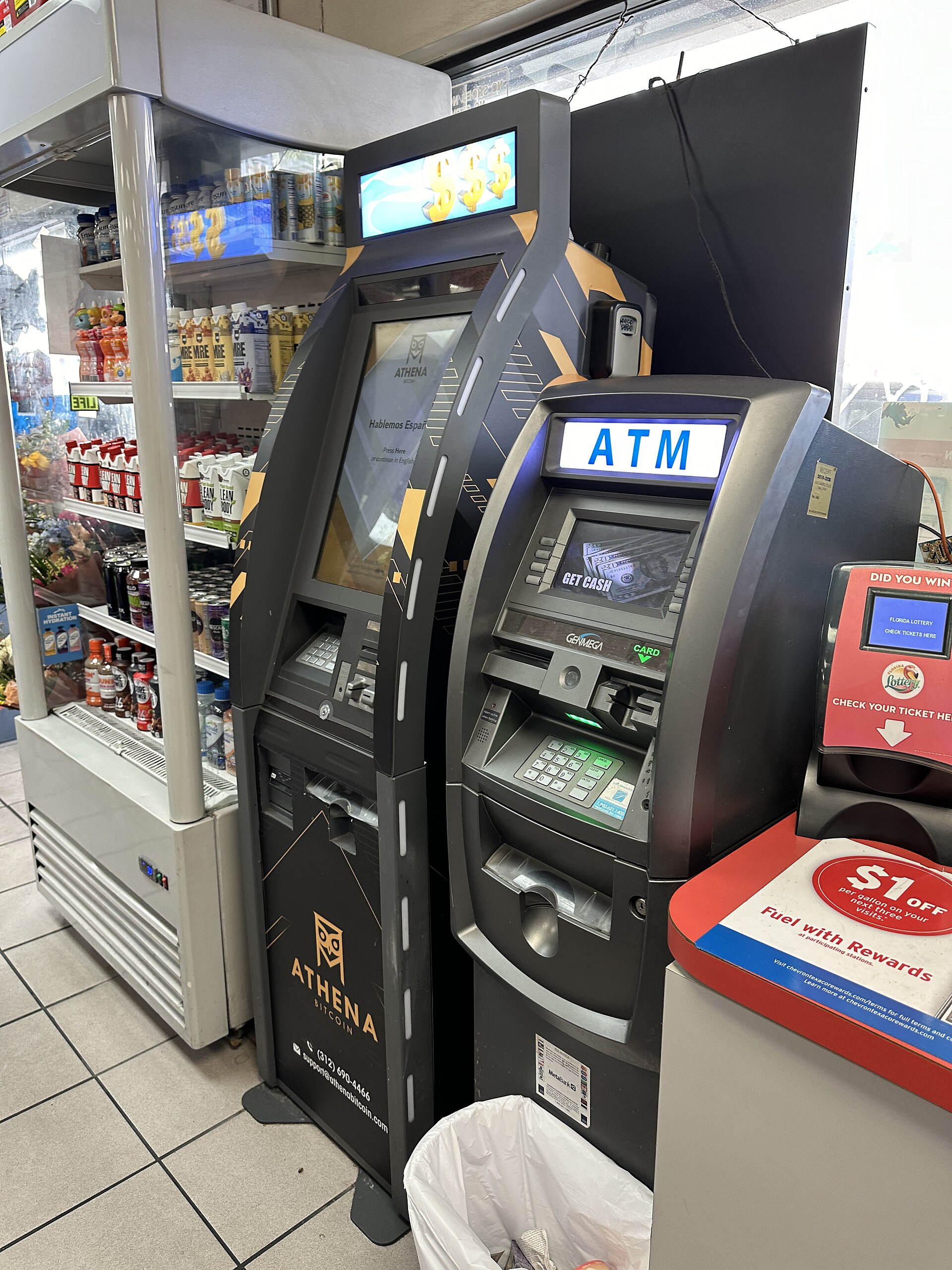
The launch of regulated bitcoin exchange-traded funds changed who holds bitcoin and how they think about it. What was once bought on specialist crypto exchanges, often by individuals comfortable with wallets and private keys, is now purchased through ordinary brokerage accounts, pension platforms and corporate treasury policies. Daily fund flows are reported alongside gold and equity fund flows, and the language has changed with the ownership: allocation, exposure and position size have replaced much of the old vocabulary of belief.
That shift matters beyond the crypto market itself. When large, regulated funds buy and sell, bitcoin’s price increasingly responds to interest-rate expectations, stock market sentiment and other mainstream forces. Readers of journalnewsinfo.com will have noticed the asset appearing in conventional market round-ups, treated less as a curiosity and more as a volatile but established line item.
What an ETF actually changes
An exchange-traded fund holds the underlying bitcoin with a regulated custodian and issues shares that trade on a stock exchange. Investors gain price exposure without managing wallets, exchanges or tax records themselves, and advisers can include the asset in portfolios under familiar compliance rules. The products operate under disclosure regimes supervised by regulators such as the U.S. Securities and Exchange Commission, which had resisted them for years before approving them.
The structure also professionalises the plumbing: creation and redemption of shares by authorised participants keeps prices close to the underlying asset, and competition among providers has pushed fees down sharply — a dynamic our Business section has tracked across other asset classes whenever ETFs arrive.
Flows, treasuries and the new holders
Fund flow data now acts as a daily referendum on institutional appetite. Strong inflows during rallies and sharp outflows in downturns show that many holders treat the funds tactically, not as a permanent commitment. At the same time, a smaller but notable group of companies has added bitcoin to corporate treasuries, arguing it diversifies reserves; critics counter that shareholders can buy bitcoin themselves and do not need a company to do it for them, with borrowed money in some cases.
Market coverage by Reuters Markets regularly places these flows in context alongside bond yields and equity indices — itself a sign of how far the integration has gone. Correlation with technology stocks, once denied by enthusiasts, is now openly discussed by the same analysts who recommend position limits.
The risks have not been regulated away
An ETF wrapper does not reduce the volatility of the underlying asset. Bitcoin still experiences steep drawdowns, and investors who arrived through a pension platform can lose money just as quickly as those who arrived through a crypto exchange. Concentration is another concern: a small number of custodians and large holders now sit at the centre of the market, and operational failures would have wider consequences than before.
Mainstream, with conditions
The ETF era has settled one argument: there is durable institutional demand for regulated bitcoin exposure. It has not settled the older argument about what bitcoin is ultimately for — a payments system, a digital form of gold, or a speculative asset with a powerful story. For now it functions, in portfolios around the world, as a line item: sized cautiously by some, traded actively by others, and impossible for the traditional financial system to ignore any longer.
Tax and retirement systems are quietly part of the story as well. In several countries the funds can be held inside tax-advantaged retirement accounts, which changes the time horizon of the money involved: retirement savings move slowly and rebalance mechanically, unlike the fast money of crypto exchanges. Providers have begun publishing education material aimed at advisers who, only a few years ago, would not have taken the meeting. Whether that normalisation survives the next deep downturn is the real test of the ETF experiment. Previous cycles suggest that institutional commitment is easy to declare at high prices. The flows during the next prolonged fall will reveal how much of it was conviction, and how much was momentum wearing a suit.
