


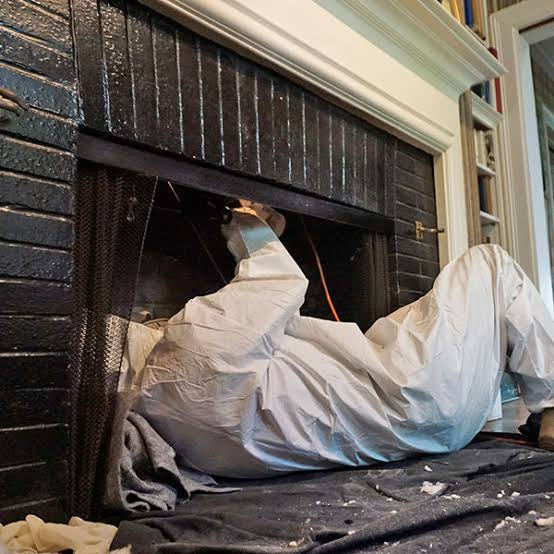
When you light a crackling fire on a chilly evening, you naturally focus on the warm glow in the hearth or the smoke drifting lazily out of the top of your chimney. What most people never see is the critical transition zone sitting directly above the firebox. Known in the industry as the smoke chamber, this inverted funnel plays a vital role in compressing smoke and exhaust gases from a wide firebox into a much narrower flue liner. When functioning properly, it acts as an efficient highway for hot air and dangerous combustion byproducts. However, because it sits tucked out of sight behind the throat damper, structural damage inside this transition zone often goes completely unnoticed until it poses a serious threat to your home.
The Engineering Anatomy of a Smoke Chamber
To understand why smoke chamber health is so critical, it helps to look at how masons traditionally constructed these hidden areas. In older brick-and-mortar chimneys, the chamber was built using a technique called corbeling. Masons stacked bricks in a stepped fashion, moving inward row by row until the opening narrowed enough to connect to the terra cotta flue tile. While this stepped structure creates an effective funnel, it leaves dozens of sharp internal corners, exposed mortar joints, and rough masonry edges right in the path of extreme heat.
In a healthy system, exhaust air should move swiftly through the smoke chamber without restriction. Smooth airflow relies on low air friction, proper proportions, and complete thermal insulation. When heat, creosote, and moisture interact with rough corbeled brickwork over many years, the mortar joints between those stepped bricks begin to crumble, leaving open gaps and exposed framing studs behind the masonry.
Common Signs and Causes of Smoke Chamber Deterioration
Damage inside the smoke chamber usually stems from a combination of extreme thermal stress, acidic creosote accumulation, and moisture intrusion. Every time you ignite a fire, the temperature inside the chamber spikes rapidly, causing the brickwork and mortar to expand and contract. Over time, this constant heat cycling causes traditional lime-based mortar to dry out, crack, and pop loose from the joints, a process known as mortar decay.
Moisture entering from a damaged chimney cap or cracked crown accelerates this decay significantly. When water mixes with the sulfur and carbon in creosote deposits, it forms a mild acid that eats away at brick faces and mortar joints. As the corbeled steps erode, the internal surfaces become increasingly jagged. You might notice smoke rolling back into your living room instead of drafting smoothly, or spot bits of crumbled mortar falling down onto the damper plate during a summer inspection.
The Fire and Health Risks of Paragrouting Neglect
Ignoring a damaged, jagged, or unsealed smoke chamber carries significant structural and safety hazards. The primary risk is extreme heat transfer. When mortar falls out from between corbeled bricks, superheated gases and stray sparks can pass directly through the masonry walls, reaching the hidden wooden framing of your roof or attic. This heat transfer can ignite silent attic fires long before you ever see flame or smell smoke in your living area.
Furthermore, rough corbeled surfaces create turbulence, causing smoke to slow down and cool off before it enters the flue liner. As hot exhaust cools, it rapidly deposits heavy layers of flammable stage-three creosote along the chamber walls. This thick, tar-like creosote is exceptionally difficult to remove and serves as fuel for dangerous high-heat chimney fires. Ensuring smooth transit for exhaust is essential, which is why property owners look for expert guidance onhttps://topdogchimney.com/ to understand proper restoration techniques like parging and thermal sealing.
The Modern Solution: Parging Smooth with Refractory Mortar
Restoring a damaged smoke chamber does not require tearing down your entire brick fireplace. Today, certified technicians repair corbeled masonry using a specialized process called parging. Parging involves applying a thick, smooth coating of high-temperature refractory mortar over the rough, stepped brickwork from the throat damper all the way up to the first flue tile.
Refractory mortar is specifically engineered to withstand temperatures exceeding two thousand degrees Fahrenheit while bonding tightly to existing brick and clay surfaces. Applying this smooth, continuous layer fills all open joints, covers exposed corbel steps, and eliminates air turbulence. Parging transforms a jagged, heat-leaking funnel into a sleek, streamlined, and thermally insulated exhaust chute that drives smoke quickly out of your home while protecting surrounding wood structures.
Diagnostic Tools Used to Inspect Hidden Damage
Because the smoke chamber is situated in a dark, narrow space directly above the firebox damper, standard visual checks from the hearth are rarely sufficient. Experienced technicians use specialized diagnostic equipment, including high-definition camera systems mounted on flexible rods, to conduct thorough video inspections.
These camera systems rotate three hundred and sixty degrees, allowing the technician to examine every single corbel step, check the connection to the flue liner, and spot hairline mortar gaps that would be impossible to see with the naked eye. Utilizing modern video diagnostics takes the guesswork out of chimney care, providing clear visual evidence of mortar erosion and ensuring that hidden thermal breaches are identified before you light your next winter fire.
Protecting Your Home Investment and Restoring Peace of Mind
Your fireplace should be a source of warmth and relaxation, not a hidden safety concern behind your drywall. Addressing smoke chamber damage through professional parging restores proper draft efficiency, stops dangerous heat transfer, and prevents heavy creosote accumulation inside your ventilation system. Regular inspections and timely repairs keep your hearth operating at peak efficiency so you can enjoy every fire with complete confidence. To see service coverage and find local technicians in your neighborhood, view our service area on this map link to get started. Reach out to a certified chimney professional today to schedule a comprehensive inspection, evaluate your smoke chamber, and protect your property for years to come.
