


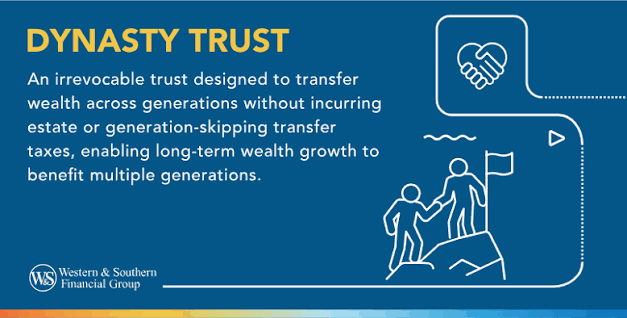
Build enough wealth over a lifetime, and a new problem emerges fast: keeping it intact for the people who come after you. That’s exactly what a dynasty trust is built for. It lets you pass assets to children, grandchildren, and far more distant descendants — all while shrinking the tax hit on those transfers. Knowing how this tool actually works, and why families reach for it, can tell you whether it belongs in your own long-term plan. These trusts run under specific state laws and demand serious upfront planning. Still, high-net-worth families have been turning to them in growing numbers.
Understanding the Core Structure of a Dynasty Trust
A dynasty trust is a legal entity — created under state law — that holds and manages assets across multiple beneficiary generations. Traditional trusts often expire after a set period or when the last named beneficiary dies. Dynasty trusts don’t. They’re engineered to run indefinitely, benefiting your descendants for as long as state law allows. You fund the trust during your lifetime. A trustee then manages those assets according to instructions you’ve baked into the trust document itself. Distributions of income and principal flow to beneficiaries on terms you define — education, healthcare, emergencies, general support. The structure lets you govern how wealth gets used long after you’re gone. Crucially, the trust owns the assets. They never pass directly to individual family members at your death; they stay inside the trust.
Tax Benefits and Estate Planning Advantages
The biggest draw? Slashing or eliminating estate taxes on multi-generational transfers. Transfer assets into a dynasty trust during your lifetime and you can deploy your federal gift tax exemption — a substantial threshold, though Congress can and does adjust it. Move assets in early, capture that exemption, and every dollar of future growth sits outside your taxable estate. When you die, those trust assets escape federal estate taxes entirely. Your heirs walk away with considerably more than they would have otherwise. On top of that, dynasty trusts can be structured to sidestep generation-skipping transfer taxes — the levies that kick in when wealth jumps more than one generation at a time.
Managing Assets and Protecting Beneficiaries
Dynasty trusts do something else most people don’t immediately consider: they shield family assets from creditors, divorce settlements, and other personal claims against beneficiaries. Assets titled in the trust — not in a beneficiary’s name — generally can’t be seized by that beneficiary’s creditors. Bankruptcy proceedings, messy divorces, civil judgments — the trust holds a wall against all of it. For anyone stepping into a large inheritance and needing guardrails to manage it responsibly over time, a protected trust fund provides exactly the structural safeguards that prevent premature depletion and keep assets available for future generations.
The trustee holds the reins and distributes assets per your predetermined terms — stopping any single beneficiary from making a decision that blows up the family’s financial foundation. You can go further and require that distributions serve specific purposes, or that funds stay locked until a beneficiary hits a certain age. That’s real control. Each generation gets to inherit something worth inheriting, rather than a depleted shell of what you built.
Considerations and Potential Drawbacks
None of this comes free of complexity. Dynasty trusts demand skilled estate planning attorneys — the drafting has to be precise, and it must conform to state-specific rules that vary considerably. Some states permit indefinite trusts; others cap their duration. Your home state’s laws will shape everything about how yours is structured. Once established, the administrative burden doesn’t stop: annual tax returns, transaction records, trustee fees, legal costs. It adds up. Family dynamics matter too. If beneficiaries don’t understand the trust’s purpose or the trustee’s authority, conflict follows. And there’s a harder reality worth naming — putting assets into a dynasty trust means giving up direct personal control over them. For anyone who wants full ownership and decision-making power during their lifetime, that trade-off stings.
Conclusion
A dynasty trust is a serious instrument. Done right, it preserves wealth across generations, delivers meaningful tax advantages, shields assets from outside claims, and locks in your intentions about how the money gets used — long after you can no longer say so yourself. Federal gift tax exemptions get captured. Creditors get blocked. Your values around wealth distribution get honored. But none of that happens without the right professionals, careful attention to state law, and an honest look at your family’s circumstances. For those with substantial assets and a genuine stake in their family’s financial future, a dynasty trust can be a cornerstone of a comprehensive plan — not a gimmick, but a real structural solution.
