


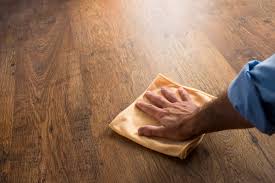
Investing in hardwood floors is a bit like buying a vintage sports car. It looks stunning in the driveway, it increases the value of your property, and it makes you feel like you have finally made it as a functional adult. However, much like that classic car, you cannot just park it and forget it. If you want those planks to remain the centerpiece of your home for decades, you have to understand the specific needs of organic wood. Wood is a living material that reacts to its environment. It breathes, it expands, and it occasionally gets a little grumpy when it is neglected. Proper maintenance is not just about keeping things clean; it is about preservation and preventative care that saves you from expensive refinishing projects down the road.
The Daily Ritual of Dust and Grit Defense
The greatest enemy of a hardwood floor is not actually water or high heels, though those are certainly high on the list. The real villain is microscopic grit. Think of every tiny grain of sand or dirt tracked in from the outside as a piece of sandpaper. Every time someone walks across the floor, that grit is ground into the finish, slowly dulling the shine and wearing down the protective layer. To combat this, you need a consistent sweeping or vacuuming routine. When using a vacuum, ensure the beater bar is turned off to avoid mechanical scratches. A soft microfiber dust mop is often your best friend here. It picks up the fine particles that standard brooms leave behind. Taking thirty seconds to clear the high traffic zones every evening can add years to the life of your floor’s surface.
Mastering the Art of Controlled Moisture
There is a common misconception that a soaking wet mop is the best way to get a floor clean. In the world of professional flooring, that is what we call a disaster in the making. Wood is porous, and standing water is its kryptonite. If moisture seeps into the seams between planks, it can cause cupping, crowning, or even structural rot. When it is time for a deeper clean, use a damp mop rather than a dripping one. You should use a pH neutral cleaner specifically formulated for hardwood finishes. Avoid the old school DIY concoctions like vinegar and water or lemon oil. Vinegar is an acid that will eventually eat through the polyurethane finish, leaving your wood vulnerable and dull. If you are ever unsure about which products are safe for your specific species of wood, you can find professional guidance athttps://myflooringexpert.com/ to ensure you are treating your investment with the respect it deserves.
Managing the Climate for Structural Stability
Hardwood is remarkably sensitive to changes in humidity. During the humid summer months, wood absorbs moisture and expands. In the dry winter months, it releases that moisture and shrinks. This constant cycle of movement can lead to unsightly gaps between boards or even cracking. Professionals recommend keeping your home’s relative humidity between thirty and fifty percent year round. Using a humidifier during the winter and an air conditioner or dehumidifier during the summer acts as a stabilizer for your floors. It keeps the wood at a constant state of equilibrium, which prevents the structural stress that leads to squeaks and separations. If you treat your home like a climate controlled gallery, your floors will reward you by staying tight and level for a lifetime.
Implementing a Strategic Shield Against Daily Wear
No matter how careful you are, life happens. Dogs chase tennis balls, kids drop heavy toys, and furniture gets shifted. To keep these everyday events from leaving permanent scars, you need a strategy of physical protection. High quality area rugs in heavy traffic areas act as a first line of defense. However, make sure you choose rugs with a breathable backing; rubber or plastic mats can trap moisture and discolor the wood over time. Perhaps the most important tip is the use of felt pads under every single piece of furniture. Whether it is a heavy dining table or a light kitchen chair, felt pads allow the furniture to glide rather than gouge. Also, try to keep your pets’ nails trimmed. A golden retriever at full speed can do more damage to a cherry wood floor in ten seconds than a decade of walking in socks.
Knowing When to Call in the Specialists
Maintenance can take you very far, but there comes a point in the lifecycle of any floor where routine cleaning is no longer enough. If you notice that your floor looks dull even after a thorough cleaning, or if water no longer beads on the surface but instead soaks in and darkens the wood, the protective finish has likely worn thin. This is the stage where a professional screen and recoat or a full sand and finish becomes necessary. Delaying these repairs can lead to permanent damage to the wood fibers themselves, which is a much costlier fix than a standard refinish. Professional installers can assess the depth of the scratches and the thickness of the remaining wear layer to determine the best course of action. Taking care of these issues early ensures that your floors remain a source of pride rather than a source of stress.
Final Thoughts on Long Term Floor Care
Maintaining hardwood floors is less about intensive labor and more about consistent, mindful habits. By controlling the grit on the surface, managing the moisture levels in the air, and protecting the wood from physical impact, you are effectively pausing the clock on wear and tear. Hardwood is one of the few flooring options that can actually look better as it ages, provided it is given the right environment. Remember that your floors are an organic part of your home architecture. Treat them with a bit of care, keep the harsh chemicals away, and address small issues before they become structural problems. With these professional practices in place, your hardwood will provide a beautiful, warm foundation for your home for generations to come.
