


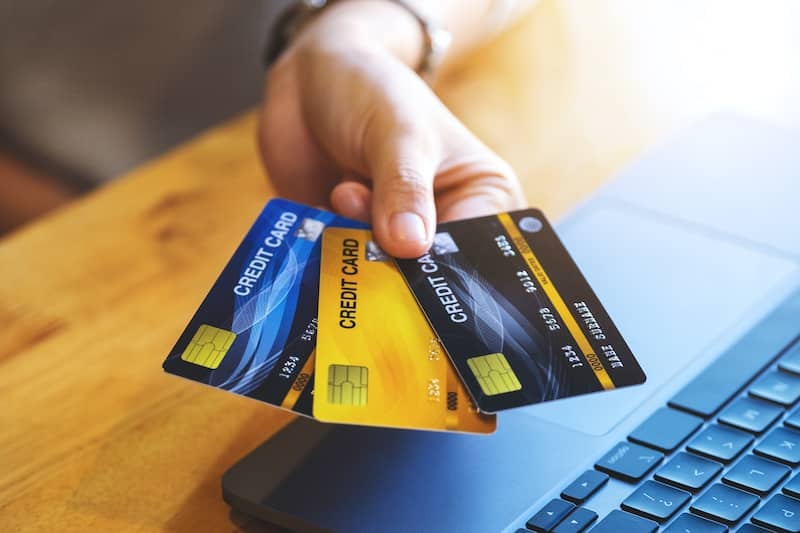
The debit card remains one of the most widely used and trusted payment tools in daily life in 2025–2026. Linked directly to a checking or transaction account, it allows users to spend exactly what they have available without incurring interest charges or debt, offering a simple, secure, and convenient alternative to cash or credit. Whether paying for groceries, online shopping, travel bookings, subscriptions, or everyday coffee, the debit card has become the default choice for millions because it combines immediacy, control, and wide acceptance across physical stores, e-commerce sites, mobile wallets, and contactless terminals worldwide.
This article explores how debit cards work today, their key features and benefits, security measures that protect users, practical use cases, common types available, and important considerations when choosing or managing one.
How a Debit Card Actually Works
A debit card functions as an electronic key to your bank account. When you make a purchase—whether swiping at a point-of-sale terminal, inserting the chip, tapping for contactless payment, or entering card details online—the merchant sends a request through the card network (Visa, Mastercard, or others) to your bank. The bank instantly checks your available balance and, if sufficient funds exist, approves the transaction and deducts the amount from your account in real time or within a very short settlement window.
Unlike credit cards, there is no borrowing involved; you are spending your own money. This direct link gives users immediate visibility into spending—no monthly statements with surprise interest or minimum payments. Most banks also send instant push notifications for every transaction, helping account holders monitor activity in real time and spot unauthorized use quickly.
Key Benefits of Using a Debit Card in Daily Life
The crypto debit card popularity stems from several practical advantages that align perfectly with modern spending habits.
First, it provides complete spending control. Because funds are deducted directly from your account, you cannot accidentally spend more than you have (unless overdraft protection is enabled). This built-in guardrail makes it easier to stick to budgets and avoid debt cycles.
Second, acceptance is nearly universal. Virtually every merchant that takes credit cards also accepts debit cards, and contactless payments (NFC) have made transactions faster and more hygienic than cash handling.
Third, debit cards usually carry lower or no annual fees compared with many credit cards. Many banks offer basic debit cards at zero cost, and even premium versions with added perks rarely exceed modest monthly fees that are often waived with minimum balances or direct deposits.
Fourth, rewards programs have improved significantly. Many debit cards now offer cashback (typically 1–2% on all purchases or higher in bonus categories), points redeemable for travel or merchandise, or discounts at partner retailers. While rewards are generally more generous on credit cards, the gap has narrowed considerably, especially for everyday spending.
Finally, debit cards integrate seamlessly with mobile wallets (Apple Pay, Google Pay, Samsung Pay), allowing secure, tokenised payments from your phone or smartwatch without exposing the actual card number.
Security Features That Protect Debit Card Users
Security remains a top priority for banks and card networks, and debit cards in 2025–2026 benefit from multiple layers of protection.
Chip-and-PIN technology (EMV) has virtually eliminated counterfeit fraud in regions where chip cards are standard. Each transaction generates a unique code, making cloned cards useless.
Contactless payments use tokenisation: the card number is never transmitted; instead, a one-time token is created for each transaction, rendering intercepted data useless to thieves.
Real-time transaction alerts sent via SMS, email, or app push notifications allow users to spot and report suspicious activity within seconds.
Many banks now offer the ability to instantly lock or unlock a debit card through their mobile app, freeze it if misplaced, or restrict it to certain transaction types (online only, domestic only, etc.).
Zero-liability policies are standard in most markets: if fraudulent transactions occur despite your precautions, you are not held financially responsible provided you report the issue promptly.
Common Types of Debit Cards Available Today
Debit cards come in several varieties tailored to different lifestyles and needs.
Standard debit cards are issued automatically with most checking accounts. They offer basic functionality—ATM withdrawals, purchases, online payments—and usually include contactless capability.
Premium or rewards debit cards add cashback, points, or travel perks, often with monthly fees waived by maintaining a minimum balance or meeting direct-deposit requirements.
Business debit cards provide separate accounts for company expenses, detailed reporting, and spending controls (limits per employee, category restrictions).
Prepaid debit cards serve as alternatives for those without traditional bank accounts or who want strict budgeting. Funds are loaded in advance, preventing overspending.
Virtual debit cards generate temporary card numbers for online purchases, adding an extra layer of security for one-time or subscription payments.
Practical Tips for Getting the Most from Your Debit Card
Maximise the value and safety of your debit card with a few simple habits.
Enable transaction alerts immediately after receiving the card so you are notified of every purchase, no matter how small.
Link the card to a mobile wallet for faster, more secure contactless payments and the ability to remove the physical card from your wallet entirely.
Review statements weekly rather than monthly—early detection of unauthorized charges is far easier when you catch them within days.
Choose a debit card that offers rewards aligned with your spending habits (groceries, fuel, dining, online shopping) to earn small but consistent returns.
Use ATM withdrawals sparingly and only at in-network machines to avoid fees.
If travelling internationally, notify your bank in advance and carry a backup card (preferably a credit card) in case of unexpected blocks or network issues.
The Future of Debit Cards in Everyday Payments
Debit cards continue to evolve alongside digital wallets, open banking, and instant payment systems. In many markets, real-time payments (RTP) networks allow debit transactions to settle instantly, even between different banks. Tokenisation and biometric authentication (fingerprint, face ID) are making card-present and card-not-present payments more secure every year.
As buy-now-pay-later options and embedded finance grow, debit cards are increasingly integrated into one-click checkout flows, subscription management, and split-payment features. The line between debit, credit, and digital wallets continues to blur, but the debit card’s core strength—spending only what you have—ensures it remains a trusted, everyday essential.
Final Thoughts: Why the Debit Card Still Matters
In a world full of credit offers, BNPL schemes, and crypto wallets, the debit card quietly remains one of the most practical and responsible payment tools available. It gives you complete control, zero interest risk, near-universal acceptance, and ever-improving security features. Whether you’re buying coffee, paying rent, booking travel, or shopping online, the debit card delivers simplicity and peace of mind.
Choose a card that matches your lifestyle—rewards for everyday spending, premium perks if you maintain a balance, or basic functionality if you prefer minimalism—and use it thoughtfully. In 2025–2026, the debit card isn’t flashy, but it’s reliable, safe, and still very much at the center of daily financial life.